Discovering the Enchanting World of Purple Tree Plants
When it comes to exploring the beauty of nature, one cannot overlook the mesmerizing allure of purple tree plants. These magnificent botanical wonders captivate our senses with their vibrant hues and unique characteristics. From the majestic Jacaranda trees to the delicate Lavender plants, there is a wide array of purple tree species that showcase the splendor of the natural world.
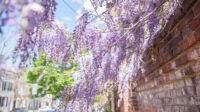
One of the most iconic purple tree plants is the Jacaranda tree, known for its stunning purple blossoms that bloom in abundance during the spring season. The sight of a Jacaranda tree in full bloom is truly a sight to behold, with its canopy of purple flowers creating a magical and ethereal atmosphere. These trees are often found in tropical and subtropical regions, adding a touch of exotic beauty to their surroundings.
Another enchanting purple tree plant is the Purple Heart plant, also known as Tradescantia pallida. This low-growing perennial plant features vibrant purple leaves that add a pop of color to any garden or landscape. The Purple Heart plant is easy to care for and can thrive in a variety of conditions, making it a popular choice for both novice and experienced gardeners.
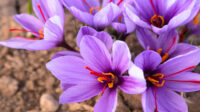
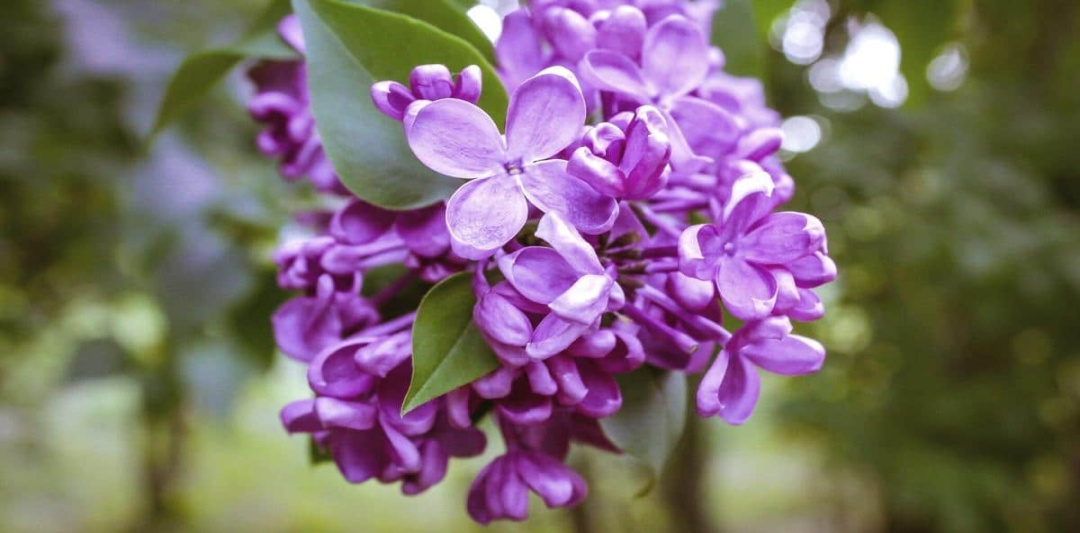
In addition to trees and plants, there are also a variety of purple flowers that contribute to the beauty of the natural world. From the regal Purple Iris to the delicate Lavender, purple flowers are a symbol of elegance and grace. These flowers are not only visually stunning but also carry a sweet and intoxicating fragrance that adds to their appeal.
The color purple has long been associated with royalty, luxury, and creativity, making it a popular choice for gardeners and landscapers looking to add a touch of sophistication to their outdoor spaces. Purple tree plants and flowers exude a sense of mystery and allure, inviting us to explore the depths of their beauty and discover the wonders of the natural world.
Whether you are a seasoned botanist or simply a nature enthusiast, exploring the enchanting world of purple tree plants is a delightful and rewarding experience. Take a leisurely stroll through a garden filled with Jacaranda trees, Purple Heart plants, and Lavender flowers, and immerse yourself in the vibrant colors and fragrant scents that surround you.
As you marvel at the beauty of these purple wonders, take a moment to appreciate the intricate designs and patterns found in nature. Each purple tree plant is a masterpiece of artistry, with its own unique characteristics and adaptations that have evolved over millions of years. By exploring the enchanting world of purple tree plants, we gain a deeper understanding and appreciation of the natural world that surrounds us.
So, the next time you find yourself in need of a dose of beauty and inspiration, consider taking a closer look at the mesmerizing world of purple tree plants. Allow yourself to be swept away by the vibrant colors, fragrant scents, and intricate designs that these botanical wonders have to offer. Embrace the magic of nature’s purple beauties and let them ignite your creativity and awe.
Unveiling the Allure of Nature’s Purple Beauties
When we think of nature’s beauty, we often picture lush green landscapes, colorful flowers, and majestic trees. However, there is a special kind of beauty that is often overlooked – the allure of purple tree plants. These unique and mesmerizing plants add a touch of mystery and elegance to any garden or landscape, making them a favorite among nature enthusiasts and gardeners alike.
One of the most striking features of purple tree plants is their rich and vibrant color. The deep purple hues of these plants stand out against the green backdrop of other foliage, creating a stunning contrast that is sure to catch the eye. Whether planted as a standalone tree or mixed in with other plants, the purple tones of these beauties add a touch of drama and sophistication to any outdoor space.
In addition to their stunning color, purple tree plants also boast a variety of shapes and sizes, making them versatile additions to any garden or landscape design. From tall and slender trees with cascading branches to bushy shrubs with delicate leaves, there is a purple tree plant to suit every taste and preference. Whether you prefer a more traditional look or a more modern and avant-garde design, there is a purple tree plant that will complement your style and aesthetic perfectly.
But it’s not just their appearance that makes purple tree plants so alluring – it’s also their symbolism and significance in different cultures and traditions. In many cultures, the color purple is associated with royalty, nobility, and luxury, making purple tree plants a symbol of wealth and status. In ancient times, purple dye was incredibly rare and expensive, reserved only for the elite and the privileged. By adding a purple tree plant to your garden or landscape, you are not only bringing a touch of regal elegance to your space but also paying homage to the rich history and tradition of this majestic color.
Furthermore, purple tree plants are also known for their medicinal and healing properties, adding another layer of allure and mystique to these enchanting beauties. Many purple tree plants are used in traditional medicine to treat a variety of ailments and conditions, from inflammation and pain relief to respiratory and digestive disorders. By incorporating these plants into your garden or landscape, you are not only adding beauty to your surroundings but also tapping into the healing power of nature.
In conclusion, the allure of nature’s purple beauties lies in their stunning color, diverse shapes and sizes, cultural significance, and healing properties. Whether you are a seasoned gardener looking to add a touch of elegance to your landscape or a nature enthusiast eager to explore the beauty of these unique plants, purple tree plants are sure to captivate your senses and inspire your imagination. So next time you are out exploring the wonders of nature, be sure to keep an eye out for these enchanting beauties and let their allure sweep you off your feet.