The Great Cornus Controversa Debate
In the world of gardening and landscaping, few plants stir up as much controversy as Cornus Controversa, commonly known as the Wedding Cake Tree. This unique plant has been the subject of debate among horticulturists, gardeners, and nature enthusiasts for decades, sparking discussions about its beauty, growth habits, and even its place in the natural world.
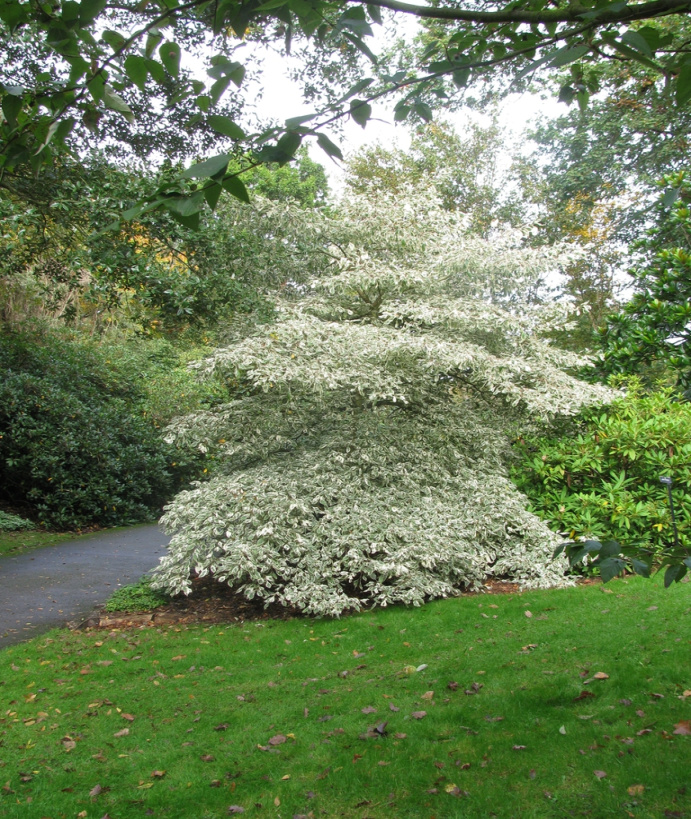
One of the main points of contention surrounding Cornus Controversa is its unusual growth pattern. Unlike most trees, which grow straight up from the ground, the Wedding Cake Tree has a distinctive tiered branching structure that resembles, you guessed it, a wedding cake. Some people find this growth habit charming and unique, while others argue that it looks unnatural and out of place in a natural setting.
Another hotly debated topic when it comes to Cornus Controversa is its overall appearance. The tree is known for its showy white flowers in the spring, followed by clusters of blue-black berries in the fall. Some people find these features to be incredibly beautiful and eye-catching, while others claim that the tree’s flowers and berries are too gaudy and overwhelming.
But perhaps the most heated debate surrounding Cornus Controversa is its invasiveness. Some gardeners and conservationists argue that the tree’s rapid growth and prolific seeding make it a threat to native plant species, while others point out that the tree is not considered invasive in most regions and can actually provide valuable habitat and food for wildlife.
Despite all the controversies surrounding Cornus Controversa, one thing is for certain: this plant is truly one-of-a-kind. Its tiered branches, striking flowers, and colorful berries make it a standout in any garden or landscape. Whether you love it or hate it, there’s no denying that the Wedding Cake Tree is a conversation starter.
So the next time you find yourself in the midst of a debate over Cornus Controversa, remember that beauty is in the eye of the beholder. Whether you see it as a unique and charming addition to your garden or a divisive and controversial plant, one thing is for sure: the Wedding Cake Tree will always be a topic of discussion among plant enthusiasts.
Unraveling the Mystery of Cornus Controversa: A Unique and Divisive Plant
When it comes to ornamental plants, there are few that stir up as much debate and controversy as Cornus Controversa. This unique plant, also known as the wedding cake tree, is a favorite among gardeners for its striking appearance and dramatic growth habit. However, its distinctive characteristics have also sparked a heated discussion among horticultural enthusiasts.
One of the main reasons for the controversy surrounding Cornus Controversa is its growth habit. Unlike many other trees, which grow in a straight and uniform manner, the branches of the wedding cake tree grow in a distinctive tiered pattern, resembling the layers of a wedding cake. This unique growth habit can be both a blessing and a curse for gardeners. While some appreciate the visual interest it adds to their garden, others find it difficult to manage and shape.
In addition to its growth habit, Cornus Controversa is also known for its beautiful foliage and flowers. The leaves of this plant are a vibrant green color in the spring and summer, turning to a rich red or purple in the fall. Its flowers, which bloom in late spring, are small and white, but they are held in clusters that create a stunning display. However, despite its beauty, some gardeners argue that the flowers are not as showy as those of other ornamental trees.
Another point of contention among horticulturalists is the size of Cornus Controversa. This plant can grow to be quite large, reaching heights of up to 30 feet and widths of up to 20 feet. While this can make it a striking focal point in a garden, it can also be overwhelming for smaller spaces. Some gardeners appreciate the grandeur of a mature wedding cake tree, while others find it impractical and difficult to maintain.
One aspect of Cornus Controversa that is not up for debate is its ability to attract wildlife. The flowers of this plant are a favorite of bees and other pollinators, while its berries provide food for birds and other wildlife. This can make it a valuable addition to a garden that aims to support local biodiversity. However, some gardeners argue that the berries can be messy and attract unwanted pests.
Despite the controversy surrounding Cornus Controversa, one thing is certain: this plant is truly unique. Its distinctive growth habit, beautiful foliage, and wildlife-attracting qualities make it a standout choice for gardeners looking to add interest to their landscape. Whether you love it or hate it, there is no denying that the wedding cake tree is a conversation starter in any garden.
In conclusion, the debate over Cornus Controversa will likely continue for years to come. While some will praise its unique qualities and striking appearance, others will criticize its size and maintenance requirements. Ultimately, the decision to plant a wedding cake tree will come down to personal preference and the specific needs of a garden. Love it or hate it, Cornus Controversa is sure to remain a divisive and intriguing plant in the world of horticulture.