Crafting Miniature Masterpieces: Growing Japanese Maple Bonsai
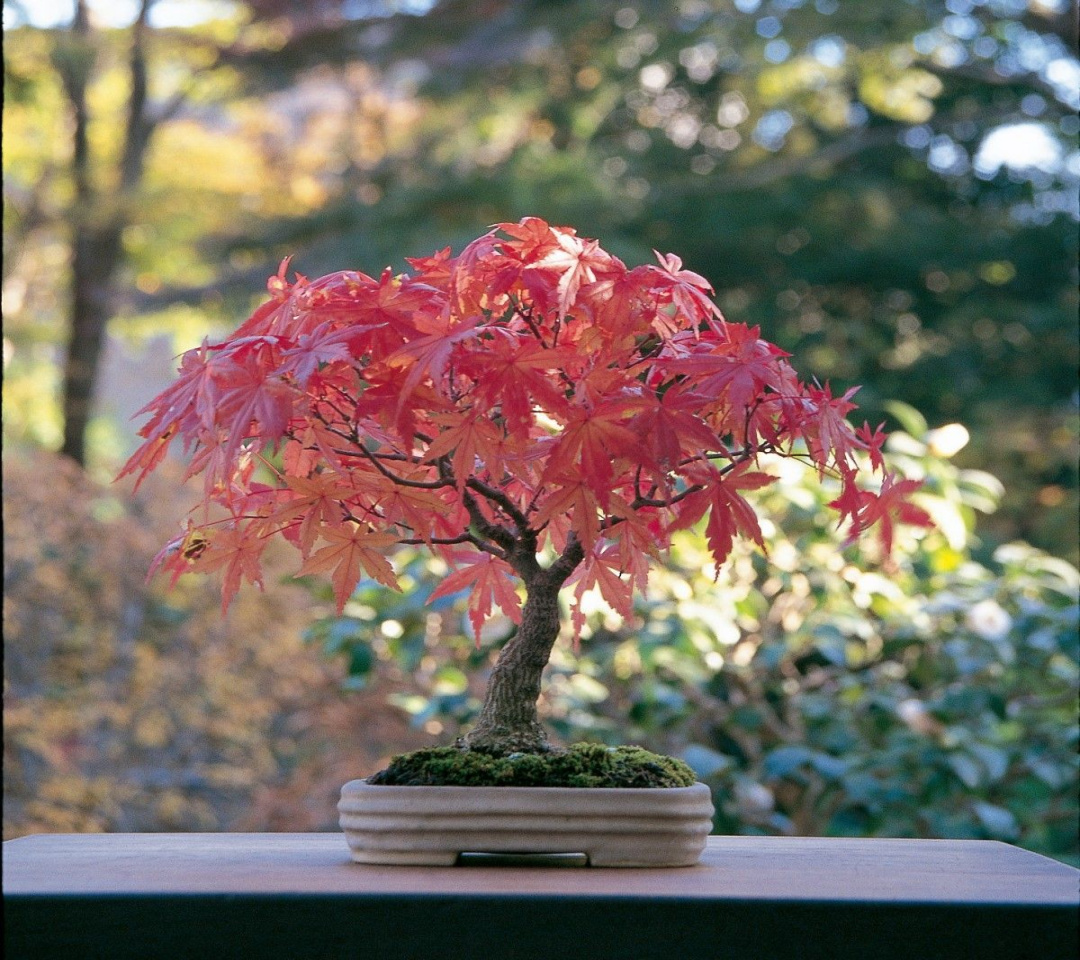
The art of growing Japanese Maple Bonsai is a true labor of love. It requires patience, skill, and a deep appreciation for the beauty of nature. From selecting the perfect tree to shaping and caring for it over time, cultivating a Japanese Maple Bonsai is a rewarding journey that can bring a sense of peace and harmony to your life.
The first step in creating a miniature masterpiece is choosing the right tree. Japanese Maple trees are known for their stunning foliage and elegant shape, making them a popular choice for Bonsai enthusiasts. Look for a tree with a thick trunk and well-defined branches, as these will provide a solid foundation for your Bonsai design.
Once you have chosen your tree, the next step is to carefully prune and shape it to create a harmonious composition. This process requires a delicate touch and a keen eye for detail. Use sharp pruning shears to carefully trim the branches, taking care to maintain the tree’s natural beauty while shaping it into a miniature work of art.
As you shape your Japanese Maple Bonsai, keep in mind the principles of Bonsai design. Balance, proportion, and harmony are key elements to creating a visually appealing composition. Experiment with different styles and techniques to find the perfect balance for your tree, whether it be a formal upright style, an informal upright style, or a cascade style.
In addition to shaping your Bonsai tree, it is important to provide proper care and maintenance to ensure its health and vitality. Japanese Maple trees thrive in well-draining soil and prefer a slightly acidic pH level. Water your Bonsai regularly, taking care not to overwater or underwater, as this can lead to root rot or dehydration.
Fertilizing your Japanese Maple Bonsai is also important to promote growth and maintain its vibrant foliage. Use a balanced liquid fertilizer during the growing season, and reduce fertilization during the winter months when the tree is dormant. Additionally, repot your Bonsai every few years to refresh the soil and prevent root binding.
One of the most rewarding aspects of growing a Japanese Maple Bonsai is watching it change and evolve over time. As your tree grows, its branches will thicken, its foliage will become more lush, and its overall appearance will mature and develop character. With each passing year, your Bonsai will become a true work of art, reflecting the time and care you have invested in its cultivation.
In conclusion, the art of growing Japanese Maple Bonsai is a deeply rewarding practice that requires dedication, patience, and a love for nature. By carefully selecting, shaping, and caring for your Bonsai tree, you can create a miniature masterpiece that brings beauty and tranquility to your home. Embrace the journey of Bonsai cultivation, and watch as your Japanese Maple Bonsai grows into a living work of art.
Unlocking the Secrets to Cultivating Beauty: A Step-by-Step Guide
In the world of bonsai cultivation, there is a deep sense of satisfaction that comes from nurturing a tiny tree into a work of art. Japanese Maple bonsai trees, in particular, are known for their stunning beauty and delicate foliage. The art of growing Japanese Maple bonsai requires patience, skill, and a deep appreciation for nature’s beauty.
To begin your journey in cultivating a Japanese Maple bonsai, the first step is to select a healthy young tree. Look for a tree with a strong trunk and well-developed branches. It is important to choose a tree with good potential for bonsai cultivation, as this will greatly impact the final result.
Once you have chosen your tree, the next step is to carefully prune and shape it. This involves removing any unwanted branches and shaping the tree to achieve the desired aesthetic. Pruning should be done with sharp, clean tools to ensure a clean cut and minimize damage to the tree.
After pruning, it is important to repot your Japanese Maple bonsai into a suitable bonsai pot. Choose a pot that complements the tree’s size and style, and make sure it has good drainage to prevent waterlogging. Repotting should be done carefully to avoid damaging the tree’s roots.
Watering is a crucial aspect of bonsai cultivation, as Japanese Maple bonsai trees require consistent moisture to thrive. It is important to water your tree regularly, but be careful not to overwater as this can lead to root rot. A good rule of thumb is to water when the soil feels slightly dry to the touch.
In addition to regular watering, it is important to fertilize your Japanese Maple bonsai to ensure healthy growth. Choose a balanced fertilizer specifically designed for bonsai trees and apply it according to the manufacturer’s instructions. Fertilizing should be done during the growing season to support the tree’s development.
Another important aspect of cultivating a Japanese Maple bonsai is light exposure. These trees thrive in bright, indirect sunlight, so it is important to place your bonsai in a location where it will receive ample light throughout the day. Avoid placing your bonsai in direct sunlight, as this can scorch the tree’s delicate foliage.
As your Japanese Maple bonsai grows and develops, it is important to continue shaping and pruning to maintain its aesthetic appeal. This involves regular trimming of new growth to encourage a compact, well-balanced tree. It is also important to wire the branches to achieve the desired shape and form.
Overall, the art of growing Japanese Maple bonsai is a rewarding and fulfilling experience. By following a few simple steps and caring for your tree with patience and dedication, you can unlock the secrets to cultivating beauty in your own home. Embrace the natural beauty of these miniature masterpieces and enjoy the art of bonsai cultivation.