Embracing Elegance: The Pagoda Dogwood Plant
When it comes to adding a touch of grace and beauty to your garden, look no further than the Pagoda Dogwood plant. This stunning plant is known for its elegant appearance and delicate features, making it a favorite among gardeners looking to enhance their outdoor space.
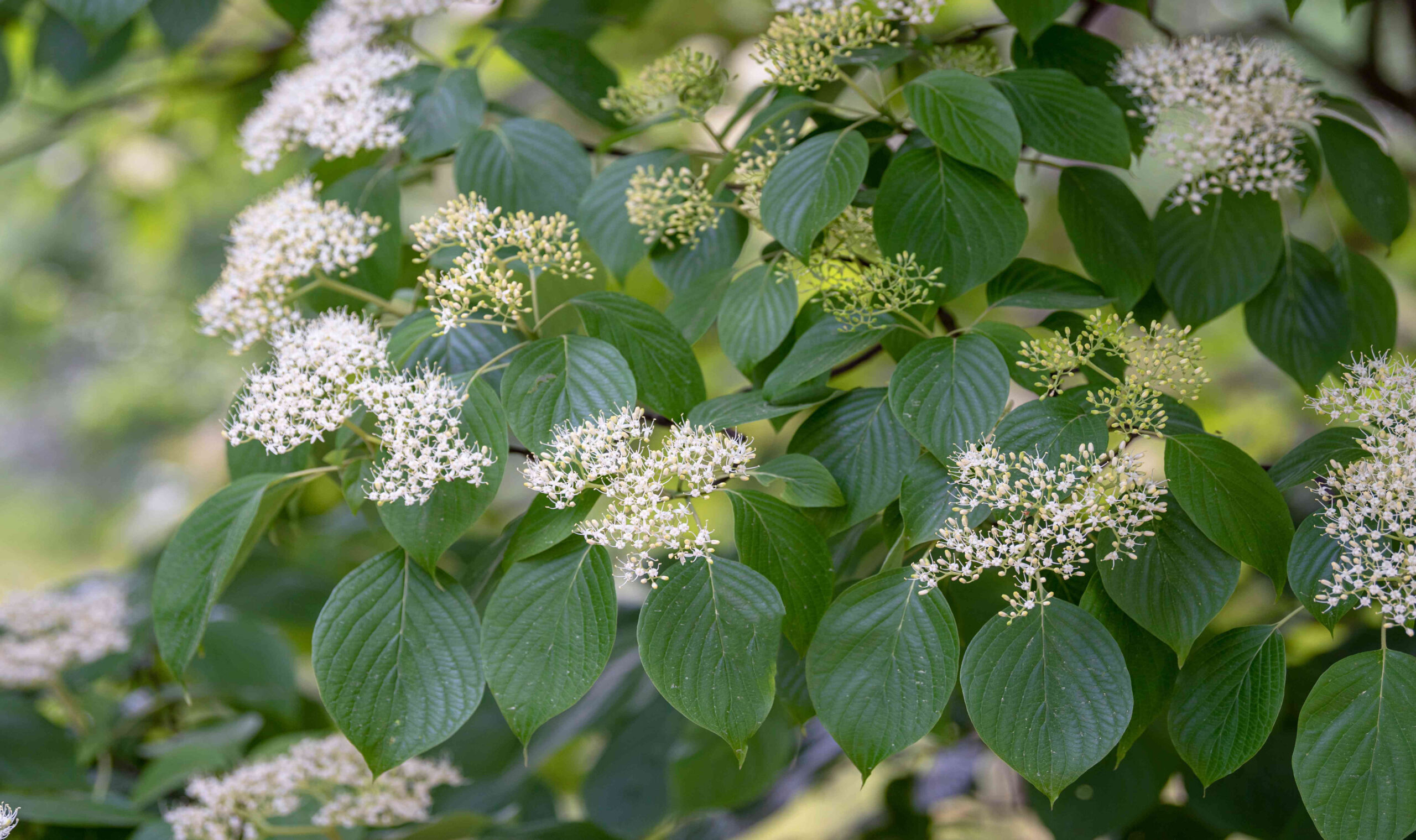
The Pagoda Dogwood, also known as Cornus alternifolia, is a deciduous shrub or small tree that is native to North America. It is characterized by its distinctive tiered branches, which give it a pagoda-like appearance. The plant produces clusters of small white flowers in the spring, followed by dark blue berries in the fall. Its green leaves turn a vibrant red in the autumn, adding a pop of color to your garden.
Growing and caring for the Pagoda Dogwood plant is relatively easy, making it a great choice for both experienced and novice gardeners. Here are some tips to help you cultivate this stunning plant:
1. Location, Location, Location: Pagoda Dogwoods thrive in partially shaded areas with moist, well-drained soil. Choose a spot in your garden that receives dappled sunlight throughout the day, as too much direct sunlight can scorch the plant’s leaves.
2. Planting: When planting your Pagoda Dogwood, make sure to dig a hole that is twice as wide and just as deep as the root ball. Gently loosen the roots before placing the plant in the hole, then backfill with soil and water thoroughly.
3. Watering: Keep your Pagoda Dogwood well-watered, especially during the hot summer months. The plant prefers consistently moist soil, so be sure to water regularly to prevent it from drying out.
4. Fertilizing: Feed your Pagoda Dogwood plant with a balanced, slow-release fertilizer in the spring to help promote healthy growth and vibrant foliage. Avoid over-fertilizing, as this can cause the plant to become leggy and weak.
5. Pruning: Prune your Pagoda Dogwood plant in the late winter or early spring to remove any dead or damaged branches and promote new growth. Be sure to use sharp, clean tools to prevent the spread of disease.
6. Mulching: Apply a layer of mulch around the base of your Pagoda Dogwood plant to help retain moisture and suppress weeds. Mulching also helps to insulate the roots during the winter months, protecting the plant from frost damage.
7. Pests and Diseases: Keep an eye out for common pests such as aphids and spider mites, which can cause damage to the plant’s leaves. Treat any infestations promptly with insecticidal soap or neem oil. Additionally, watch for signs of fungal diseases such as powdery mildew and leaf spot, and treat with fungicides as needed.
The Pagoda Dogwood plant is a truly elegant addition to any garden, with its graceful appearance and stunning seasonal colors. By following these simple tips for growing and caring for this beautiful plant, you can enjoy its beauty year-round and create a peaceful and serene outdoor space that you can be proud of. So embrace the elegance of the Pagoda Dogwood plant and watch as it adds a touch of splendor to your garden.
Cultivating Splendor: Tips for Care and Growth
The Pagoda Dogwood, also known as Cornus alternifolia, is a stunning ornamental tree that can add a touch of graceful beauty to any garden. With its unique tiered branching structure and delicate white flowers, this plant is sure to be a standout in your landscape. However, in order to truly appreciate the splendor of the Pagoda Dogwood, it is important to understand how to properly care for and cultivate this magnificent plant.
One of the most important aspects of caring for a Pagoda Dogwood is choosing the right location. These plants prefer to be grown in partial shade, as too much direct sunlight can scorch their delicate leaves. They also thrive in well-drained, moist soil that is slightly acidic. When planting your Pagoda Dogwood, be sure to give it plenty of space to spread out, as these trees can grow to be quite large.
Once your Pagoda Dogwood is established, it is important to provide it with regular water and fertilizer. These plants prefer to be kept consistently moist, so be sure to water them deeply at least once a week, especially during hot, dry weather. Additionally, you can feed your Pagoda Dogwood with a balanced, slow-release fertilizer in the spring to help promote healthy growth and vibrant foliage.
Pruning is another key aspect of caring for a Pagoda Dogwood. These trees have a naturally graceful shape, with their tiered branches cascading outward in a stunning display. To maintain this shape, it is important to prune your Pagoda Dogwood regularly, removing any dead or damaged branches and shaping the tree as needed. Pruning should be done in late winter or early spring, before the tree begins to leaf out.
In addition to regular pruning, it is also important to keep an eye out for any signs of pests or disease. Pagoda Dogwoods are relatively resistant to most pests and diseases, but they can still be susceptible to issues such as powdery mildew or dogwood borers. To prevent these problems, be sure to keep your tree well-watered and properly pruned, and consider applying a fungicide or insecticide as needed.
One of the most striking features of the Pagoda Dogwood is its beautiful white flowers, which bloom in late spring to early summer. These flowers are followed by dark blue-black berries that are a favorite of birds. To maximize the blooming potential of your Pagoda Dogwood, be sure to plant it in a location where it will receive plenty of sun in the morning and shade in the afternoon.
Overall, the Pagoda Dogwood is a truly spectacular plant that can add a touch of grace and beauty to any garden. By following these tips for care and growth, you can ensure that your Pagoda Dogwood thrives and continues to dazzle with its stunning display of flowers and foliage. So why wait? Cultivate the splendor of the Pagoda Dogwood in your garden today and enjoy the graceful beauty it brings for years to come.