Basking in the Glow: Discovering the Vibrant Beauty of Tithonia!
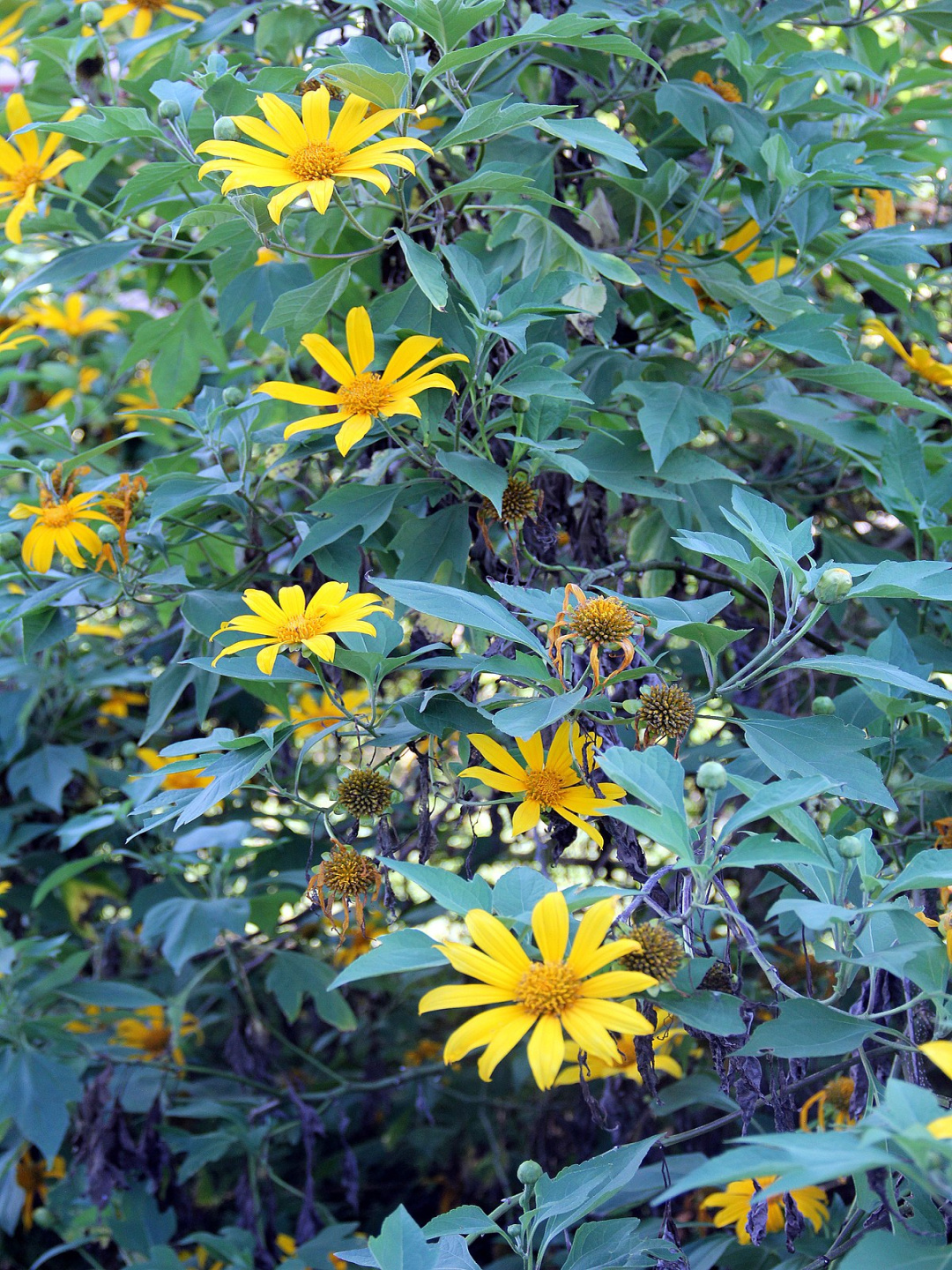
As the warm rays of the sun caress your skin and the gentle breeze rustles through the leaves, there is something truly magical about being surrounded by the vibrant beauty of Tithonia. These striking Mexican sunflowers, with their bright orange and yellow petals, are a sight to behold in any garden.
Tithonia, also known as Mexican sunflower or golden flower of the Incas, is a native plant of Mexico and Central America. It is a member of the Asteraceae family, which includes sunflowers, daisies, and asters. Tithonia can grow up to six feet tall, with large, showy flowers that resemble miniature sunflowers.
One of the most enchanting aspects of Tithonia is its ability to attract a wide variety of pollinators, including bees, butterflies, and hummingbirds. The bright colors and sweet nectar of the flowers make them irresistible to these beneficial insects, making Tithonia a valuable addition to any garden ecosystem.
To grow Tithonia in your own garden, start by selecting a sunny location with well-drained soil. These plants thrive in full sun and are relatively drought-tolerant once established. Plant the seeds directly in the garden after the last frost date, as Tithonia does not transplant well. Sow the seeds thinly and cover lightly with soil, as they require light for germination.
Water the seeds regularly until they germinate, then gradually reduce watering as the plants establish themselves. Tithonia is a low-maintenance plant that requires little care once it is established. However, you may need to stake taller varieties to prevent them from toppling over in strong winds.
As the summer progresses, you will be rewarded with a riot of color as the Tithonia plants burst into bloom. The bright orange and yellow flowers are not only beautiful to look at but also provide a valuable food source for pollinators. You can cut the flowers for bouquets or leave them on the plant to enjoy their beauty in the garden.
In addition to their ornamental value, Tithonia plants also have practical uses in the garden. The leaves of the plant can be used as a natural insect repellent, deterring pests such as aphids and whiteflies. Simply crush a few leaves and rub them on the affected plants to keep pests at bay.
Tithonia plants are also known for their medicinal properties, with traditional uses including treating respiratory ailments and skin conditions. The leaves and flowers can be brewed into a tea or infused into oil for external use. However, it is important to consult with a healthcare professional before using Tithonia medicinally.
Overall, Tithonia is a versatile and beautiful plant that can bring a touch of the exotic to any garden. Whether you are a seasoned gardener or a novice with a green thumb, growing Tithonia is a rewarding experience that will brighten up your outdoor space and attract a myriad of winged visitors. So why not add a splash of vibrant beauty to your garden with Tithonia today?
Bright and Beautiful: Tips for Growing Your Own Mexican Sunflowers
When it comes to adding a pop of color and vibrancy to your garden, Mexican Sunflowers, also known as Tithonia, are a fantastic choice. These stunning flowers with their bright orange and yellow petals are sure to catch the eye of anyone passing by. Not only are they visually appealing, but they also attract pollinators like bees and butterflies, making them a wonderful addition to any garden. If you’re looking to grow and care for Mexican Sunflowers in your own garden, here are some tips to help you get started.
First and foremost, Mexican Sunflowers thrive in full sunlight. Make sure to choose a spot in your garden that receives at least six to eight hours of sunlight each day. These flowers love the heat, so be sure to plant them in a location where they can soak up the sun’s rays. Additionally, Mexican Sunflowers prefer well-draining soil, so make sure to amend your soil with compost or perlite if necessary to ensure good drainage.
When it comes to planting Mexican Sunflowers, you can either sow seeds directly into the ground after the last frost date or start them indoors a few weeks before the last frost. If starting seeds indoors, be sure to transplant them outside once the danger of frost has passed. Mexican Sunflowers have a long taproot, so it’s best to plant them directly into the ground to avoid disturbing their roots later on.
Once your Mexican Sunflowers are planted, be sure to water them regularly. These flowers prefer moist soil, so be sure to water them deeply once a week, especially during hot, dry weather. However, be careful not to overwater as Mexican Sunflowers are susceptible to root rot. Mulching around the base of the plants can help retain moisture in the soil and prevent weeds from growing.
Mexican Sunflowers are relatively low-maintenance plants, but they can benefit from occasional fertilization. Use a balanced fertilizer once a month during the growing season to promote healthy growth and vibrant blooms. Additionally, deadheading spent flowers can encourage the plant to produce more blooms and prolong the flowering period.
One of the most appealing aspects of Mexican Sunflowers is their ability to attract pollinators to your garden. Bees, butterflies, and hummingbirds are all drawn to the bright, nectar-rich flowers of Tithonia. By planting Mexican Sunflowers in your garden, you’ll not only enjoy their beauty but also help support the local pollinator population.
As fall approaches, Mexican Sunflowers will start to produce seed heads. If you’d like to save seeds for next year, simply allow the seed heads to dry on the plant before collecting them. Store the seeds in a cool, dry place until you’re ready to plant them again next spring.
In conclusion, growing Mexican Sunflowers in your garden is a rewarding experience that will bring beauty and vibrancy to your outdoor space. By following these tips for planting and caring for Tithonia, you’ll be well on your way to enjoying a garden full of bright and beautiful blooms that will attract pollinators and bring joy to all who see them. So roll up your sleeves, grab your gardening gloves, and get ready to bask in the vibrant beauty of Mexican Sunflowers!