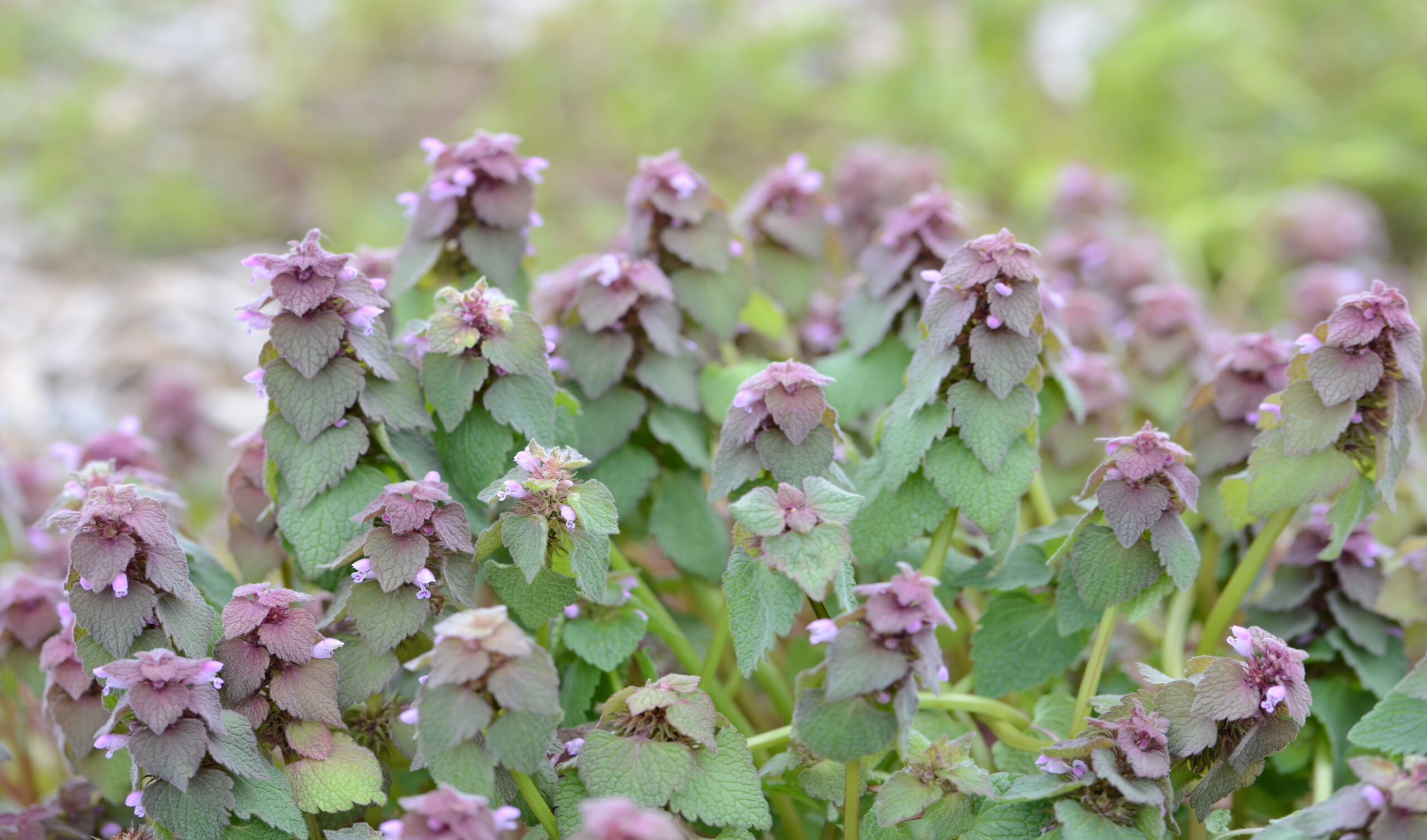
Discover the Delightful Dead Nettle Plant!
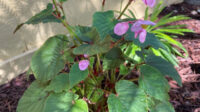
The Dead Nettle plant, also known by its scientific name Lamium, is a delightful herbaceous perennial that belongs to the mint family. Despite its somewhat ominous name, the Dead Nettle is anything but dead – in fact, it is bursting with life and beauty! With its vibrant purple or pink flowers and soft, velvety leaves, this plant is a favorite among gardeners and herbalists alike.
One of the most striking features of the Dead Nettle plant is its ability to thrive in a variety of conditions. Whether you have a sunny garden or a shady corner, this versatile plant will flourish and add a touch of charm to your outdoor space. Its low-growing nature also makes it an excellent ground cover, perfect for filling in empty spaces and preventing weeds from taking over.
But the beauty of the Dead Nettle plant goes beyond its appearance. This humble herb is packed with beneficial properties that have been used for centuries in traditional medicine. Rich in essential oils, tannins, and flavonoids, the Dead Nettle has a long history of being used to treat a variety of ailments, from respiratory issues to skin conditions.
One of the most popular uses of the Dead Nettle plant is as a natural remedy for allergies and respiratory problems. The leaves of the plant contain anti-inflammatory compounds that can help reduce swelling and irritation in the respiratory tract, making it a soothing treatment for conditions such as asthma and hay fever. Additionally, the Dead Nettle is known for its antihistamine properties, which can help alleviate symptoms like sneezing and runny nose.
In addition to its respiratory benefits, the Dead Nettle plant is also valued for its ability to promote skin health. The astringent properties of the plant make it an effective treatment for skin conditions such as eczema, acne, and sunburn. Simply steeping the leaves in hot water to create a soothing herbal tea can help alleviate inflammation and promote healing.
But the benefits of the Dead Nettle plant don’t stop there. This versatile herb is also used in culinary applications, adding a unique flavor to salads, soups, and herbal teas. The leaves have a slightly bitter taste with hints of mint and citrus, making them a delicious addition to a variety of dishes. And with their vibrant purple or pink flowers, Dead Nettle plants make a beautiful and edible garnish for desserts and cocktails.
Whether you’re a seasoned gardener, a budding herbalist, or simply someone looking to add a touch of beauty and charm to your home, the Dead Nettle plant is a delightful addition to any garden. With its striking appearance, versatile uses, and myriad health benefits, this humble herb is sure to bring joy and vitality to your outdoor space. So why not discover the beauty and benefits of the Dead Nettle plant for yourself?
Embrace the Healing Powers of Dead Nettle!
The Dead Nettle plant, also known by its scientific name Lamium purpureum, is a beautiful and beneficial herb that has been used for centuries for its healing properties. This plant, despite its somewhat ominous name, is actually a member of the mint family and is native to Europe and Asia. It is commonly found growing in meadows, fields, and along roadsides, and is easily recognizable by its vibrant purple flowers and soft, fuzzy leaves.
One of the key benefits of the Dead Nettle plant is its ability to soothe and heal various ailments. The plant is rich in antioxidants, anti-inflammatory compounds, and vitamins, making it a powerful natural remedy for a range of health issues. For centuries, the Dead Nettle plant has been used in traditional medicine practices to treat conditions such as skin irritations, allergies, respiratory problems, and digestive issues.
One of the most well-known healing properties of Dead Nettle is its ability to alleviate skin conditions such as rashes, eczema, and insect bites. The plant’s anti-inflammatory compounds help to reduce redness and swelling, while its antioxidant properties promote healing and regeneration of the skin. Dead Nettle can be applied topically as a poultice or infused into oils and creams for a soothing and effective treatment for skin irritations.
In addition to its benefits for the skin, Dead Nettle is also a powerful ally for respiratory health. The plant is rich in compounds that help to reduce inflammation in the respiratory tract, making it a valuable remedy for conditions such as asthma, bronchitis, and allergies. Dead Nettle can be consumed as a tea or tincture to help soothe coughs, clear congestion, and support overall respiratory function.
Furthermore, Dead Nettle is also beneficial for digestive health. The plant’s anti-inflammatory and antimicrobial properties help to soothe digestive issues such as indigestion, bloating, and irritable bowel syndrome. Dead Nettle can be consumed as a tea or added to soups and stews to help support healthy digestion and alleviate discomfort.
In addition to its healing properties, Dead Nettle is also a valuable herb for overall wellness and vitality. The plant is a rich source of vitamins and minerals, including vitamin C, iron, and calcium, making it a nourishing addition to any diet. Dead Nettle can be consumed fresh in salads, cooked as a vegetable, or dried and infused into teas for a boost of nutrition and flavor.
In conclusion, the Dead Nettle plant is a true gem of nature, offering a wide range of healing benefits for the body and mind. Whether used topically for skin irritations, consumed for respiratory health, or added to meals for digestive support, Dead Nettle is a versatile and effective herb that can enhance your health and well-being. Embrace the healing powers of Dead Nettle and discover the beauty and benefits of this remarkable plant for yourself.