Embracing Nature’s Remedy: Discover Feverfew’s Healing Power
Feverfew, scientifically known as Tanacetum parthenium, is a beautiful and powerful herb that has been used for centuries to treat various ailments. Its healing power comes from its rich history and the beneficial compounds it contains. In this guide, we will explore the care and benefits of the feverfew plant, and how you can harness its healing power in your own life.
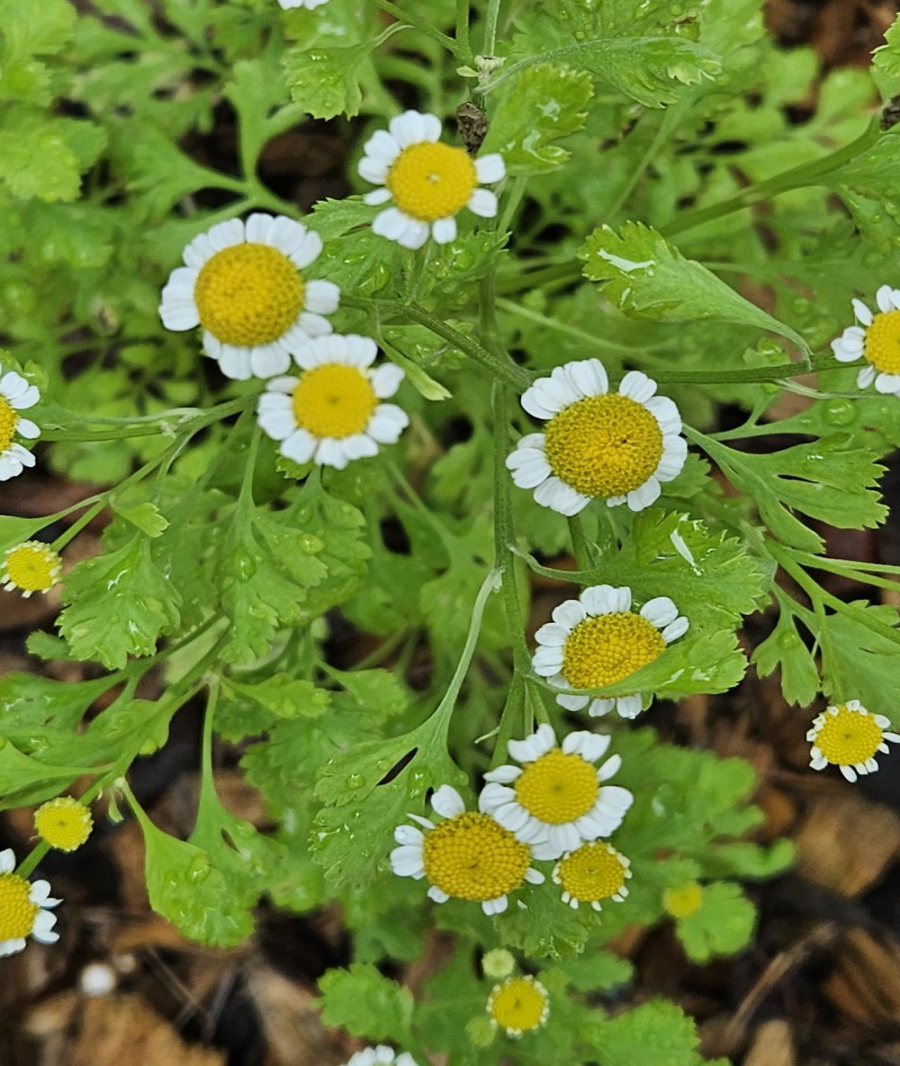
Feverfew is a member of the daisy family and is native to Europe and Asia. It has been used in traditional medicine for centuries to treat fevers, headaches, arthritis, and digestive issues. The plant produces small, daisy-like flowers that bloom in the summer months, making it a lovely addition to any garden or landscape.
One of the key benefits of feverfew is its ability to reduce inflammation in the body. This makes it an excellent natural remedy for conditions such as arthritis, migraines, and muscle pain. Feverfew contains compounds called sesquiterpene lactones, which have been shown to inhibit the release of inflammatory substances in the body.
In addition to its anti-inflammatory properties, feverfew is also a potent antioxidant. Antioxidants help protect the body from free radicals, which can cause cellular damage and lead to chronic diseases. By incorporating feverfew into your daily routine, you can help boost your body’s natural defenses and promote overall health and wellness.
Growing feverfew is relatively easy, making it a great option for beginners or seasoned gardeners alike. The plant thrives in full sun and well-drained soil, making it ideal for gardens, containers, or raised beds. Water your feverfew regularly, but be careful not to overwater, as this can cause root rot.
Harvesting feverfew is simple and can be done throughout the growing season. Simply snip off the flowers or leaves as needed, being sure to leave some foliage on the plant to encourage new growth. You can use fresh feverfew in teas, tinctures, or as a garnish for salads and other dishes.
In addition to its physical healing properties, feverfew is also known for its mental and emotional benefits. The plant has a calming effect on the nervous system, making it a popular remedy for anxiety, stress, and insomnia. By incorporating feverfew into your daily routine, you can promote a sense of peace and relaxation in your life.
Overall, feverfew is a versatile and powerful herb that can benefit the body, mind, and spirit. Whether you are looking to reduce inflammation, boost your immune system, or simply add a touch of beauty to your garden, feverfew is a wonderful plant to incorporate into your life. Embrace nature’s remedy and discover the healing power of feverfew today.
Cultivating Wellness: A Beginner’s Guide to Feverfew Care
As we strive to live healthier and more sustainable lives, many of us are turning to natural remedies to treat common ailments and promote overall well-being. One such remedy that has gained popularity in recent years is the feverfew plant, also known as Tanacetum parthenium. This beautiful and versatile herb has a long history of medicinal use and is prized for its numerous health benefits.
Feverfew is a member of the daisy family and is native to Europe and Asia. It has been used for centuries as a natural remedy for various ailments, including headaches, arthritis, and digestive issues. The plant’s medicinal properties are attributed to its high levels of parthenolide, a compound that has anti-inflammatory and pain-relieving effects.
If you are interested in harnessing the healing power of feverfew, here is a beginner’s guide to caring for this remarkable plant:
1. Choosing the Right Location: Feverfew thrives in full sun or partial shade, so it is important to choose a location in your garden that receives plenty of sunlight. The plant also prefers well-drained soil, so be sure to plant it in an area with good drainage.
2. Planting Feverfew: Feverfew can be grown from seeds or purchased as seedlings from a nursery. If you are starting from seeds, sow them directly into the soil in the spring after the last frost. Plant the seeds about 1/4 inch deep and water them thoroughly. If you are planting seedlings, be sure to space them about 12 inches apart to allow for adequate growth.
3. Watering and Feeding: Feverfew plants prefer moist soil, so be sure to water them regularly, especially during dry spells. However, be careful not to overwater, as this can cause root rot. Fertilize the plants with a balanced fertilizer every 6-8 weeks to promote healthy growth.
4. Pruning and Harvesting: Feverfew plants can grow quite bushy, so it is important to prune them regularly to promote airflow and prevent overcrowding. You can also harvest the leaves and flowers of the plant for medicinal use. Simply snip off the desired parts of the plant with scissors or pruning shears.
5. Health Benefits: Feverfew is prized for its numerous health benefits, including its ability to reduce inflammation, relieve pain, and prevent migraines. The plant’s leaves and flowers can be brewed into a tea or tincture, or dried and encapsulated for easy consumption. Many people also use feverfew as a natural remedy for arthritis, menstrual cramps, and digestive issues.
By cultivating feverfew in your garden and incorporating it into your wellness routine, you can harness the healing power of this remarkable plant and reap its many benefits. Whether you are looking to alleviate pain, reduce inflammation, or simply promote overall well-being, feverfew is a versatile and effective natural remedy that is sure to enhance your health and vitality.