Unveiling the Enchanting World of Verbena Plants
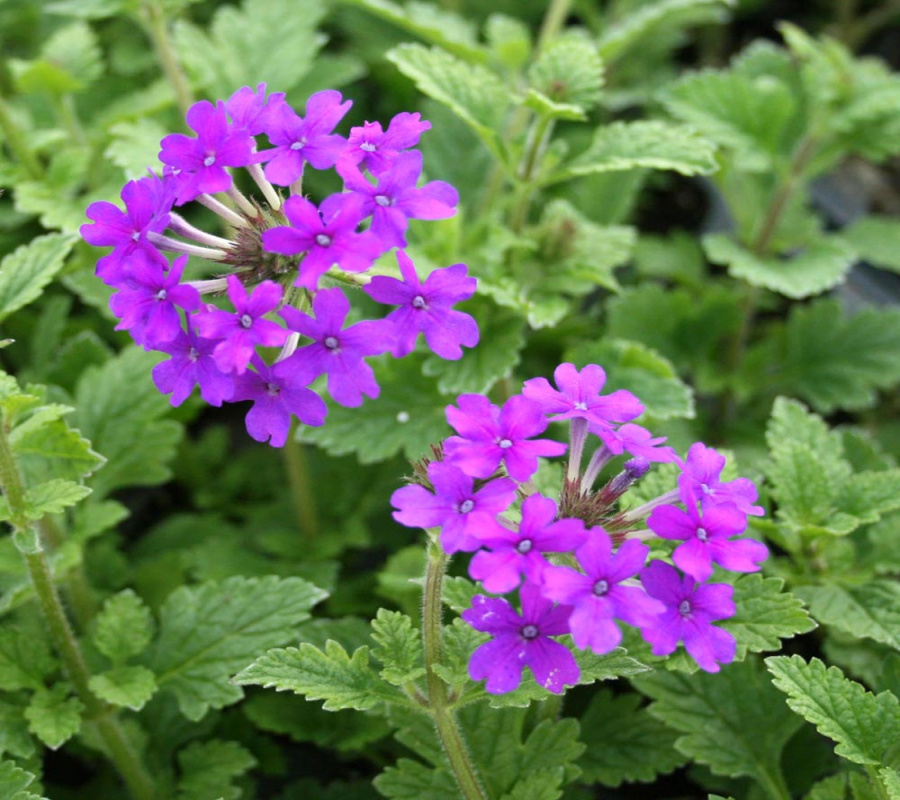
When it comes to adding color and vibrancy to your garden, few plants can compare to the beauty of Verbena. These delicate flowers come in a wide range of colors, from soft pastels to vibrant hues, making them a versatile choice for any garden. But there is so much more to Verbena plants than just their stunning appearance. Let’s delve into the enchanting world of Verbena plants and discover how to grow and care for these beautiful flowers.
Verbena plants are known for their long-lasting blooms, which make them a favorite among gardeners. These flowers can bloom from spring to fall, providing a constant pop of color in your garden throughout the growing season. Verbena plants also attract pollinators such as butterflies and bees, making them a great choice for those looking to create a pollinator-friendly garden.
One of the things that make Verbena plants so enchanting is their versatility. These flowers can be grown in containers, hanging baskets, or directly in the ground, making them a great option for gardens of all sizes. Whether you have a small balcony or a sprawling backyard, Verbena plants can thrive in any space.
When it comes to growing Verbena plants, there are a few key things to keep in mind. These flowers prefer full sun and well-draining soil, so be sure to plant them in a sunny spot with good drainage. Verbena plants are relatively low-maintenance, but they do require regular watering, especially during hot weather. Be sure to water your Verbena plants deeply, allowing the soil to dry out slightly between waterings.
In terms of care, Verbena plants benefit from regular deadheading to encourage continuous blooming. Simply remove faded flowers to promote new growth and keep your plants looking their best. Additionally, Verbena plants can benefit from a light application of fertilizer in the spring to help promote healthy growth.
One of the best things about Verbena plants is their ability to attract a wide range of pollinators to your garden. These flowers are a favorite among butterflies, bees, and hummingbirds, making them a great choice for those looking to create a wildlife-friendly garden. By planting Verbena in your garden, you can help support local pollinator populations and create a more biodiverse ecosystem.
In addition to their beauty and pollinator-attracting qualities, Verbena plants have a long history of medicinal use. In traditional medicine, Verbena was used to treat a variety of ailments, including headaches, respiratory issues, and digestive problems. While modern research on the medicinal properties of Verbena is limited, these plants continue to be valued for their potential health benefits.
Whether you’re a seasoned gardener or a novice plant enthusiast, Verbena plants are a great choice for adding color and beauty to your garden. With their long-lasting blooms, vibrant colors, and pollinator-attracting qualities, Verbena plants are sure to enchant you and your garden visitors alike. So why not discover the beauty of Verbena plants for yourself and add these stunning flowers to your garden today?
Cultivate Joy with Expert Care Tips for Verbena Flowers
Verbena plants are known for their vibrant and colorful flowers that can brighten up any garden or outdoor space. With the right care and attention, these beautiful flowers can thrive and bring joy to any gardener. In this guide, we will explore expert care tips for growing and caring for verbena plants, helping you discover the beauty of these delightful flowers.
One of the most important factors in successfully growing verbena plants is providing them with the right growing conditions. Verbena plants prefer full sun and well-draining soil. Make sure to plant them in a location where they will receive at least 6 hours of sunlight each day. Additionally, verbena plants do not do well in damp or waterlogged soil, so be sure to plant them in an area with good drainage.
When it comes to watering verbena plants, it is important to strike a balance. Verbena plants do not like to sit in wet soil, but they also do not do well in drought conditions. Water your verbena plants regularly, making sure to water the soil around the base of the plant rather than the leaves. Avoid getting the foliage wet, as this can lead to disease. During hot, dry weather, you may need to water your verbena plants more frequently to keep them healthy and hydrated.
Fertilizing verbena plants is also important for their overall health and vitality. Use a balanced, water-soluble fertilizer to feed your verbena plants every 4-6 weeks during the growing season. Be sure to follow the instructions on the fertilizer package to avoid overfeeding, which can harm your plants. Fertilizing your verbena plants regularly will help promote healthy growth and abundant flowering.
Deadheading is a simple but effective way to encourage continuous blooming in your verbena plants. Deadheading involves removing spent flowers from the plant to promote new growth and more blooms. Simply pinch off the faded flowers at the base of the stem to encourage your verbena plants to produce more flowers throughout the growing season. This regular maintenance task will help keep your verbena plants looking tidy and beautiful.
In addition to deadheading, pruning can also help keep your verbena plants healthy and blooming. Prune back leggy or overgrown stems to encourage new growth and maintain a more compact shape. You can also trim back your verbena plants in the fall to help them prepare for winter dormancy. Pruning your verbena plants will help promote healthy growth and ensure a bountiful display of flowers each season.
Pests and diseases can sometimes be a problem for verbena plants, but with proper care and attention, you can keep these issues at bay. Keep an eye out for common pests such as aphids, spider mites, and whiteflies, which can damage your verbena plants. If you notice any signs of pest infestation, treat your plants with an appropriate insecticide to eliminate the problem. Additionally, make sure to plant your verbena in well-drained soil and avoid overwatering to prevent diseases such as root rot and powdery mildew.
With the right care and attention, verbena plants can thrive and bring joy to any garden or outdoor space. By providing them with the proper growing conditions, regular watering and fertilizing, and maintenance tasks such as deadheading and pruning, you can enjoy a beautiful display of vibrant flowers throughout the growing season. Discover the beauty of verbena plants and cultivate joy in your garden with these expert care tips for growing and caring for these delightful flowers.