Sow the Seeds of Beauty: Planting Vibrant Petunias
Petunias are one of the most popular and beloved flowers to plant in gardens, due to their vibrant colors and easy maintenance. Sowing the seeds of beauty by planting vibrant petunias can truly transform any garden into a colorful paradise. In this guide, we will explore the steps to successfully plant petunia seeds and cultivate a stunning display of blooming flowers.
Before we dive into the planting process, it’s important to choose the right type of petunia seeds for your garden. There are several varieties of petunias available, including grandiflora, multiflora, and milliflora. Each variety has its own unique characteristics, so be sure to select the one that best suits your gardening needs and preferences.
Once you have chosen the perfect petunia seeds, it’s time to prepare the soil for planting. Petunias thrive in well-draining soil that is rich in organic matter. To ensure optimal growth, mix in some compost or aged manure to provide the necessary nutrients for your petunias to flourish.
Now that the soil is ready, it’s time to sow the petunia seeds. The best time to plant petunia seeds is in the early spring, after the last frost has passed. Scatter the seeds lightly on top of the soil, making sure to space them out evenly to prevent overcrowding as they grow.
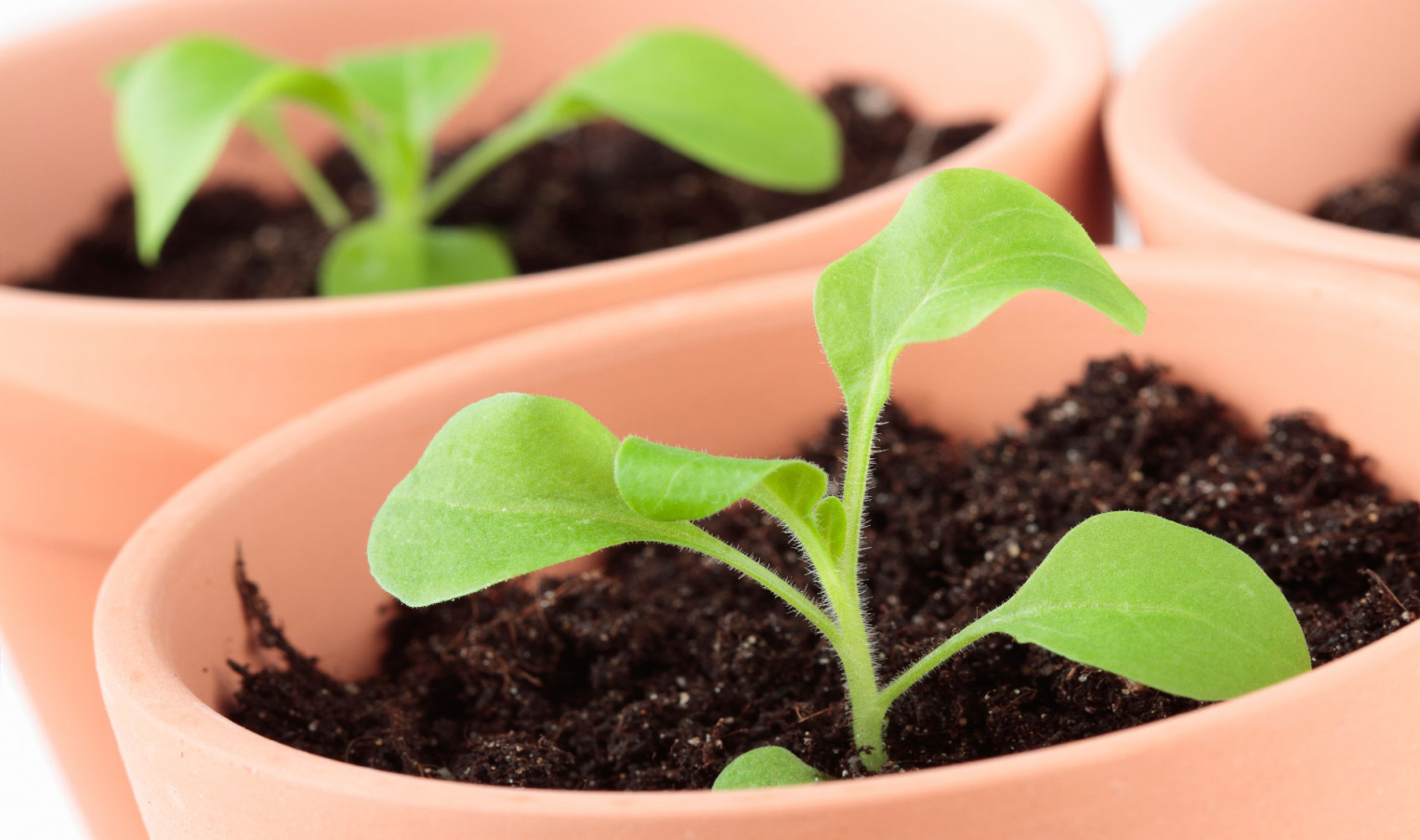
After sowing the seeds, gently press them into the soil to ensure good seed-to-soil contact. Water the seeds thoroughly, but be careful not to overwater as this can lead to rotting. Place the pots in a sunny location where they will receive at least 6-8 hours of sunlight per day.
As the petunia seeds germinate and grow, it’s important to keep the soil evenly moist to encourage healthy growth. Once the seedlings have developed a few sets of true leaves, it’s time to thin them out to allow for proper spacing and airflow. This will help prevent disease and promote strong, healthy plants.
Throughout the growing season, be sure to fertilize your petunias regularly to promote continuous blooming. A balanced fertilizer high in phosphorus will encourage strong root development and vibrant blooms. Additionally, deadhead the spent flowers regularly to encourage new growth and prolong the blooming period.
As the summer months progress, your petunias will begin to produce a stunning display of colorful blooms that will brighten up your garden. With proper care and maintenance, your petunias will continue to thrive and bloom well into the fall season, providing you with a beautiful and vibrant garden to enjoy.
In conclusion, planting vibrant petunias is a rewarding and enjoyable experience that can bring beauty and color to any garden. By following these steps and tips for sowing the seeds of beauty, you can create a stunning display of blooming petunias that will delight both you and your visitors. So grab your gardening gloves and get ready to sow the seeds of beauty with vibrant petunias!
Cultivate Colorful Blooms: A Beginner’s Guide
Petunias are known for their vibrant and colorful blooms that can brighten up any garden or outdoor space. If you’re new to gardening and looking to grow petunias from seeds, this beginner’s guide will help you cultivate beautiful and colorful blooms in no time.
First and foremost, it’s important to choose the right seeds for your petunias. There are many varieties of petunia seeds available, including grandiflora, multiflora, and spreading petunias. Each variety has its own unique characteristics, so be sure to do some research and choose the one that best suits your gardening needs.
Once you have selected your petunia seeds, it’s time to prepare them for planting. Start by filling a seed tray or small pots with potting soil, making sure to leave some space at the top for the seeds. Gently scatter the seeds on top of the soil, being careful not to overcrowd them. Lightly press the seeds into the soil with your fingers, making sure they are in good contact with the soil.
Next, it’s important to water the seeds properly. Petunia seeds need to be kept moist in order to germinate, so be sure to water them regularly. However, be careful not to overwater, as this can cause the seeds to rot. A good rule of thumb is to keep the soil moist but not waterlogged.
After planting your petunia seeds, it’s important to provide them with the right growing conditions. Petunias thrive in full sun, so be sure to place your seed tray or pots in a sunny location. They also prefer well-draining soil, so make sure your pots have good drainage holes to prevent waterlogging.
As your petunia seeds begin to germinate and grow, it’s important to provide them with the proper care and attention. Be sure to water them regularly, making sure to keep the soil moist but not waterlogged. You can also feed your petunias with a balanced fertilizer to promote healthy growth and vibrant blooms.
One of the key factors in growing vibrant petunias is deadheading. Deadheading is the process of removing faded or wilted flowers from the plant to promote new growth and prolong blooming. Be sure to regularly deadhead your petunias to keep them looking their best.
In addition to deadheading, it’s also important to prune your petunias regularly. Pruning helps to promote bushy growth and prevent leggy stems. Simply pinch off the growing tips of the plant to encourage branching and more blooms.
As your petunias continue to grow and bloom, be sure to keep an eye out for pests and diseases. Common pests that can affect petunias include aphids, spider mites, and whiteflies. Be sure to check your plants regularly for any signs of pests, and treat them promptly to prevent damage.
In conclusion, growing vibrant petunias from seeds is a rewarding experience that can bring beauty and color to your garden. By following this beginner’s guide and providing your petunias with the proper care and attention, you can cultivate colorful blooms that will brighten up your outdoor space for months to come. Happy gardening!