Rhubarb Reimagined: Planting and Harvesting Tips
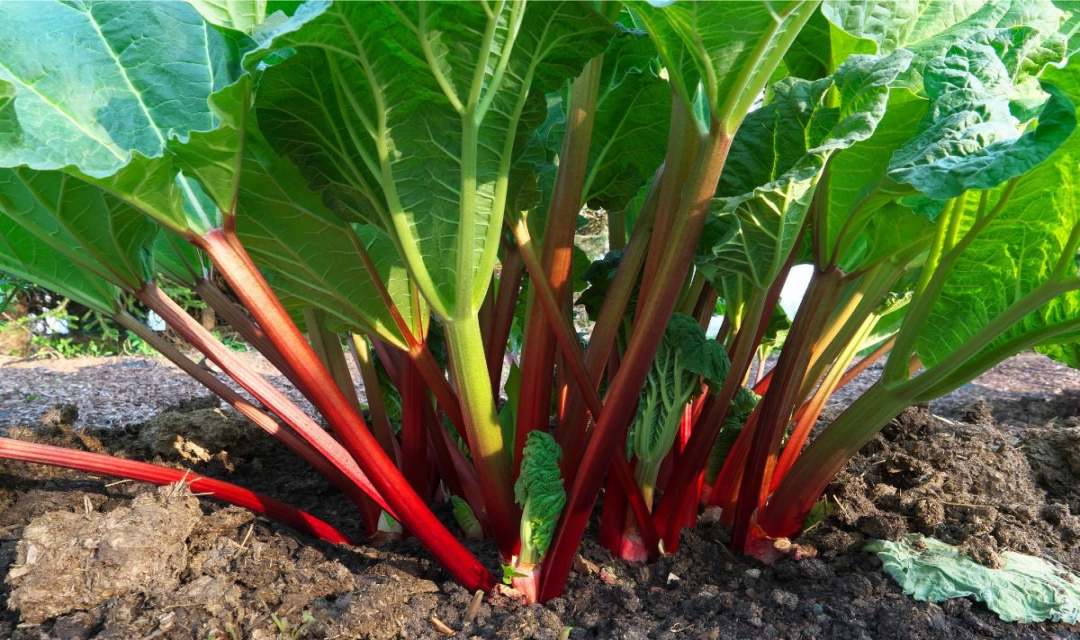
Rhubarb, also known as the pie plant, is a versatile and easy-to-grow perennial that is a favorite among many gardeners. With its bright red stalks and tart flavor, rhubarb is not only a beautiful addition to any garden but also a delicious ingredient in a variety of sweet and savory dishes. In this article, we will explore the world of rhubarb and provide you with some helpful tips on how to plant, harvest, and cook with this wonderful plant.
Planting rhubarb is relatively simple, but there are a few key things to keep in mind to ensure a successful harvest. Rhubarb plants prefer well-drained soil with plenty of organic matter, so be sure to amend your soil with compost before planting. Choose a sunny spot in your garden with at least six hours of sunlight per day, and make sure to space your rhubarb plants about three feet apart to allow for proper air circulation.
When it comes to planting rhubarb, you have two options: starting from seed or planting crowns. Starting from seed can be a bit more challenging, as rhubarb seeds can take up to two years to germinate. Planting crowns, on the other hand, is much faster and easier. Simply dig a hole that is deep enough to accommodate the crown and place it in the hole with the buds facing up. Cover the crown with soil and water thoroughly.
Once your rhubarb plants are established, it’s important to keep them well-watered and fertilized throughout the growing season. Rhubarb plants are heavy feeders, so be sure to fertilize them with a balanced fertilizer in the early spring and again in the late summer. Water your rhubarb plants regularly, especially during dry spells, to ensure that they produce healthy and robust stalks.
Harvesting rhubarb is one of the most rewarding aspects of growing this plant. Rhubarb stalks are ready to be harvested when they are bright red and at least 12 inches long. To harvest rhubarb, simply grasp the stalk near the base and pull it away from the plant with a gentle twist. Be sure to leave a few stalks on the plant to allow it to continue growing and producing throughout the season.
When it comes to cooking with rhubarb, the possibilities are endless. Rhubarb is a versatile ingredient that can be used in a variety of sweet and savory dishes, from pies and crisps to sauces and chutneys. Its tart flavor pairs well with sweet fruits like strawberries and raspberries, as well as with savory ingredients like ginger and garlic.
Whether you’re a seasoned gardener or just starting out, growing and cooking with rhubarb is a rewarding experience that is sure to delight your taste buds. With a little bit of care and attention, you can enjoy a bountiful harvest of this versatile plant year after year. So why not add a few rhubarb plants to your garden this season and discover the joys of rhubarb reimagined?
From Garden to Table: Delicious Rhubarb Recipes
Rhubarb, with its vibrant red stalks and tart flavor, is a versatile plant that can be used in a variety of dishes from sweet to savory. In this article, we will explore some delicious rhubarb recipes that you can try at home, from refreshing beverages to decadent desserts.
Starting in the garden, rhubarb is a hardy perennial plant that thrives in cooler climates. It is easy to grow and requires minimal maintenance, making it a favorite among gardeners. When planting rhubarb, make sure to choose a sunny spot with well-draining soil. Rhubarb plants can be grown from seeds or crowns, with crowns being the faster and more reliable option.
Once your rhubarb plant is established, you can start harvesting the stalks in the spring. It is important to only harvest the stalks and not the leaves, as the leaves contain oxalic acid which can be toxic if consumed in large quantities. To harvest the stalks, simply grasp them at the base and pull gently to remove them from the plant.
Now that you have a bountiful supply of rhubarb from your garden, it’s time to get creative in the kitchen. One classic way to enjoy rhubarb is in a pie, where the tartness of the rhubarb is balanced by a sweet filling. Rhubarb pie is a beloved dessert that is perfect for springtime gatherings or a special treat for yourself.
If you’re looking for a refreshing drink, try making a rhubarb lemonade. Simply simmer chopped rhubarb with water and sugar until it is soft, then strain the mixture and mix it with freshly squeezed lemon juice. The result is a tangy and sweet beverage that is perfect for a hot summer day.
For a savory dish, consider making a rhubarb chutney to serve with grilled meats or cheese. The tartness of the rhubarb pairs well with the spices in the chutney, creating a flavorful and versatile condiment that can elevate any meal.
If you have a sweet tooth, try making rhubarb crumble. This dessert is a simple yet delicious way to showcase the flavor of rhubarb. Simply mix chopped rhubarb with sugar and a touch of cinnamon, then top it with a buttery crumble topping and bake until golden and bubbly.
For a more unique dessert, consider making rhubarb sorbet. The tartness of the rhubarb is balanced by the sweetness of sugar, resulting in a refreshing and light frozen treat that is perfect for hot summer days.
In conclusion, rhubarb is a versatile plant that can be used in a variety of dishes from sweet to savory. Whether you’re baking a pie, making a chutney, or blending up a refreshing drink, rhubarb is sure to add a burst of flavor to your meals. So next time you’re in the garden, be sure to plant some rhubarb and get creative in the kitchen with these delicious rhubarb recipes.