Delving into the Mysteries of Saffron Cultivation
Welcome to the enchanting world of saffron cultivation, where the secrets of the most expensive spice on earth are waiting to be unlocked. Saffron, also known as the red gold, is a precious ingredient that has been prized for its vibrant color, unique flavor, and numerous health benefits for centuries. In this guide, we will explore the fascinating process of cultivating and harvesting saffron, from planting the bulbs to harvesting the delicate stigmas.
Saffron cultivation is a labor-intensive process that requires patience, dedication, and a deep understanding of the plant’s needs. The saffron crocus, or Crocus sativus, is a delicate flower that thrives in sunny, well-drained soil. The bulbs are typically planted in late summer or early fall, allowing them to establish roots before the winter months. Once planted, the bulbs require regular watering and care to ensure healthy growth.
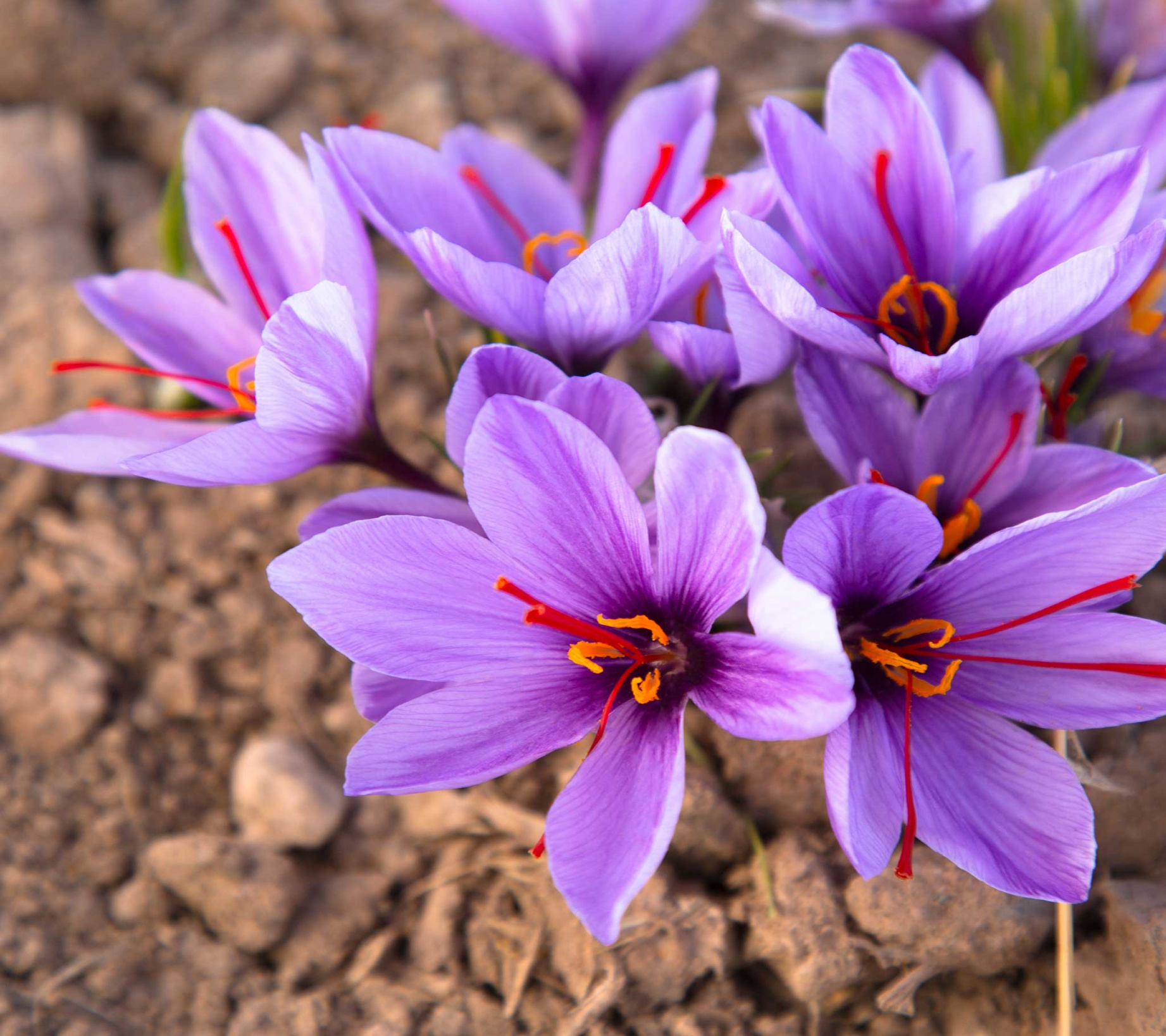
As the saffron crocus begins to bloom in the fall, the real magic of saffron cultivation begins. The flowers, which have a beautiful purple hue, contain three vivid red stigmas that are carefully hand-picked and dried to create saffron threads. Each stigma must be delicately plucked from the flower by hand, making saffron one of the most labor-intensive crops in the world.
The harvesting process is a delicate dance of precision and patience, as each stigma must be carefully separated from the flower and dried to preserve its flavor and color. Once dried, the saffron threads are ready to be used in a variety of culinary dishes, from paella and risotto to desserts and beverages. The rich, earthy flavor of saffron adds depth and complexity to any dish, making it a prized ingredient in kitchens around the world.
In addition to its culinary uses, saffron also boasts a number of health benefits that have been celebrated for centuries. Saffron is rich in antioxidants, which can help protect the body from oxidative stress and inflammation. It also contains compounds that may have antidepressant effects, making it a popular natural remedy for mood disorders and anxiety.
Cultivating saffron is not only a rewarding and fulfilling experience, but it also allows you to connect with the rich history and tradition of this prized spice. Saffron has been cultivated for thousands of years, with its origins dating back to ancient Persia. Today, saffron is grown in countries around the world, from Spain and Italy to Iran and India.
Whether you are a seasoned gardener or a novice enthusiast, cultivating saffron is a rewarding experience that will deepen your appreciation for this precious spice. By delving into the mysteries of saffron cultivation, you will unlock the secrets of this remarkable plant and gain a newfound respect for the hard work and dedication that goes into producing the world’s most expensive spice.
So, roll up your sleeves, grab your gardening tools, and embark on a journey into the world of saffron cultivation. With a little patience, a lot of love, and a touch of magic, you can cultivate and harvest your own saffron threads, adding a sprinkle of luxury and flavor to your culinary creations. Happy planting!
A Colorful Harvest: Unveiling the Magic of Saffron
Welcome to the wonderful world of saffron cultivation, where each delicate stigma holds the key to unlocking the secrets of the world’s most expensive spice. In this article, we will delve into the colorful harvest of saffron and unveil the magic behind this precious plant.
Saffron, known scientifically as Crocus sativus, is a perennial plant that belongs to the iris family. It is prized for its vibrant crimson stigmas, which are carefully handpicked and dried to create the aromatic spice that is used in a variety of culinary dishes. Cultivating saffron is a labor-intensive process that requires patience, skill, and a deep understanding of the plant’s unique growing requirements.
The saffron plant thrives in climates with hot, dry summers and cold winters, making it well-suited to regions with Mediterranean climates. It requires well-drained soil that is rich in organic matter and plenty of sunlight to flourish. Saffron bulbs, known as corms, are planted in the late summer or early fall, allowing them to establish roots before the winter months.
As the days grow shorter and the temperatures begin to drop, the saffron plant prepares for its spectacular display of blooms. Each flower produces three vivid red stigmas, which must be carefully handpicked at the peak of their maturity. This delicate process requires precision and care to ensure that the stigmas are undamaged and ready for drying.
Once the stigmas have been harvested, they are gently dried to preserve their flavor and aroma. This can be done by laying them out in a single layer on a paper towel or drying them in a low-temperature oven. The dried stigmas are then stored in an airtight container away from light and moisture to maintain their quality.
The flavor of saffron is complex and unique, with notes of honey, hay, and floral sweetness. It is often used in a variety of dishes, ranging from savory paellas and risottos to decadent desserts like saffron-infused ice cream and cakes. Just a few strands of saffron can transform a dish, adding depth of flavor and a rich golden hue.
In addition to its culinary uses, saffron has a long history of medicinal and therapeutic applications. It is believed to have antioxidant, anti-inflammatory, and mood-enhancing properties, making it a valuable addition to any wellness routine. Whether enjoyed in a steaming cup of saffron tea or as a soothing facial mask, saffron has been treasured for its healing properties for centuries.
As you embark on your own saffron cultivation journey, remember to approach the process with patience and dedication. The rewards of growing your own saffron are well worth the effort, as you witness the magic of this precious plant unfold before your eyes. From the vibrant blooms of spring to the fragrant stigmas of autumn, each step of the saffron harvest is a celebration of nature’s beauty and bounty.
So, roll up your sleeves, dig into the earth, and let the magic of saffron guide you on a colorful harvest like no other. With each delicate stigma you harvest, you are one step closer to unlocking the secrets of this extraordinary plant and experiencing the unparalleled joy of growing the world’s most expensive spice.