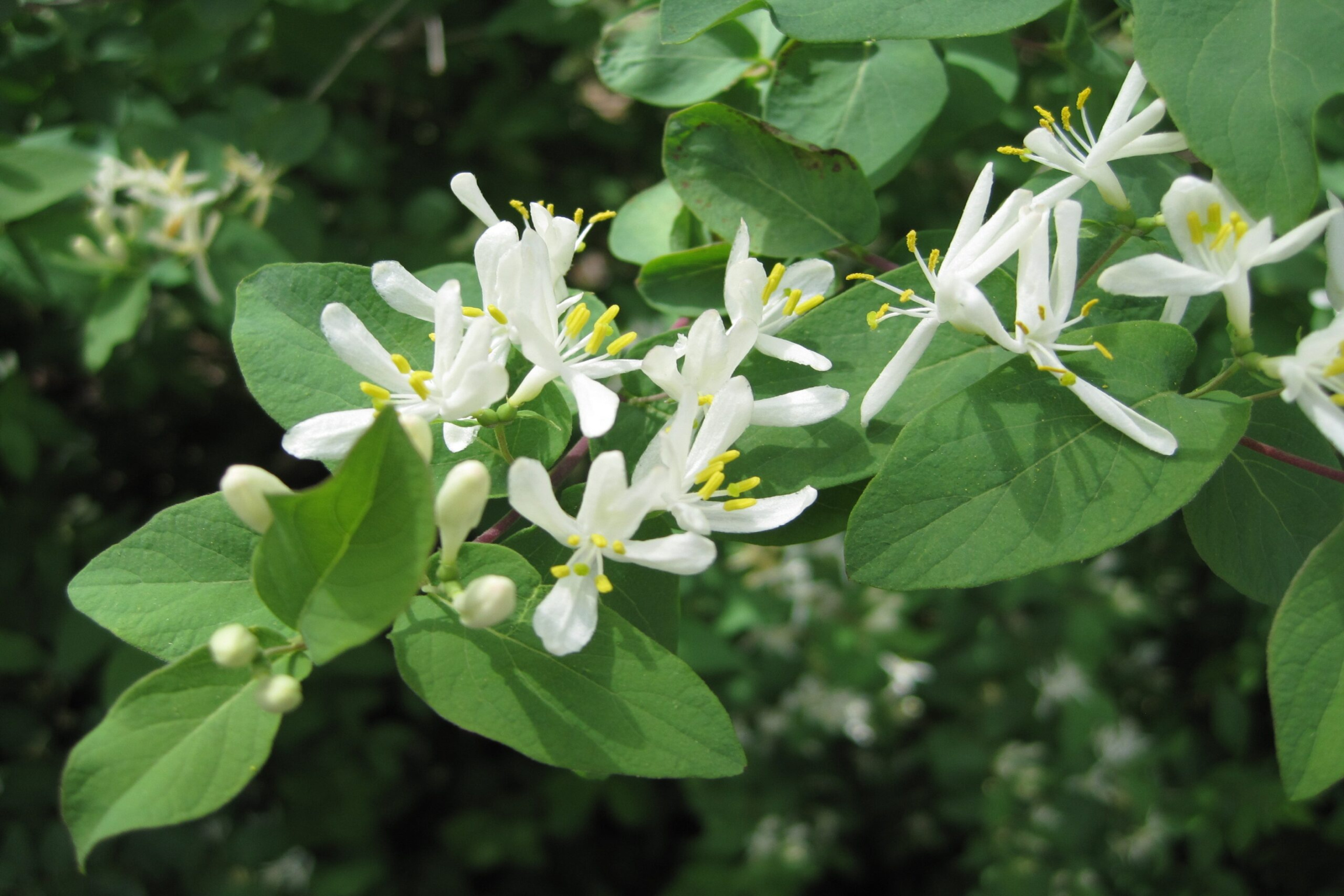
Embrace the Aroma: The Sweet Scent of Honeysuckle
There’s nothing quite like the intoxicating fragrance of honeysuckle wafting through the air on a warm summer day. The sweet scent of these beautiful flowers can instantly transport you to a place of tranquility and peace, making them a must-have addition to any garden or outdoor space. In this guide, we’ll explore the wonder of honeysuckle plants, from their origins to tips on how to grow and care for them.
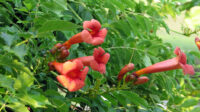
Honeysuckle plants, also known as Lonicera, are a genus of flowering vines and shrubs that are native to the temperate regions of the Northern Hemisphere. These plants are prized for their fragrant, tubular flowers that come in a variety of colors, including white, yellow, pink, and orange. The most common species of honeysuckle found in gardens are the Japanese honeysuckle (Lonicera japonica) and the trumpet honeysuckle (Lonicera sempervirens).
One of the most enchanting qualities of honeysuckle plants is their sweet, heady aroma. The scent of honeysuckle is often described as a mix of honey and citrus, with a touch of floral undertones. This delightful fragrance is especially potent in the evenings, when the flowers release their scent to attract pollinators like moths and butterflies.
To fully embrace the aroma of honeysuckle in your garden, it’s important to choose the right location for your plants. Honeysuckle bushes thrive in full sun to partial shade and prefer well-drained, fertile soil. When planting honeysuckle, be sure to provide adequate support for the vines to climb, such as trellises, arbors, or fences.
Once your honeysuckle plants are established, caring for them is relatively simple. Water your plants regularly, especially during dry periods, and mulch around the base of the plants to retain moisture and suppress weeds. Prune your honeysuckle bushes in late winter or early spring to remove old or damaged growth and promote new growth.
In addition to their delightful fragrance, honeysuckle plants also attract a variety of beneficial wildlife to your garden. The nectar-rich flowers of honeysuckle are a favorite food source for hummingbirds, bees, and butterflies, making them a valuable addition to any pollinator garden. By planting honeysuckle bushes in your yard, you can create a haven for these important creatures and support biodiversity in your local ecosystem.
In conclusion, the sweet fragrance of honeysuckle is a true delight for the senses. By growing and caring for honeysuckle plants in your garden, you can enjoy the beauty of these charming flowers and the wonderful aroma they bring. So, why not embrace the scent of honeysuckle and add a touch of magic to your outdoor space today?
Blooming Beauty: Cultivating Honeysuckle Bush Plants
Ah, the sweet fragrance of honeysuckle! There’s nothing quite like the scent of these beautiful flowers wafting through the air. If you’re looking to add a touch of beauty and charm to your garden, look no further than the honeysuckle bush plant. In this guide, we’ll take a closer look at how to grow and care for these lovely plants.
Honeysuckle bush plants are known for their beautiful blooms and sweet scent. They are a popular choice for gardeners looking to add a touch of romance to their outdoor space. These plants are relatively easy to grow and care for, making them a great option for both beginner and experienced gardeners alike.
To start growing honeysuckle bush plants, you’ll want to choose a sunny spot in your garden with well-draining soil. These plants thrive in full sun, so be sure to pick a location that receives plenty of sunlight throughout the day. Once you’ve found the perfect spot, it’s time to plant your honeysuckle bush.
When planting your honeysuckle bush, be sure to dig a hole that is slightly larger than the root ball of the plant. Gently loosen the roots and place the plant in the hole, making sure it is planted at the same depth as it was in its original container. Fill in the hole with soil and water the plant thoroughly.
Once planted, be sure to water your honeysuckle bush regularly, especially during hot, dry periods. These plants prefer consistently moist soil, so be sure to keep an eye on the moisture levels in your garden. Adding a layer of mulch around the base of the plant can help retain moisture and keep the roots cool.
In addition to regular watering, honeysuckle bush plants benefit from regular fertilization. You can use a balanced, slow-release fertilizer to help promote healthy growth and abundant blooms. Be sure to follow the instructions on the fertilizer package and apply it as directed.
One of the key factors in caring for honeysuckle bush plants is pruning. These plants can become quite unruly if left unchecked, so be sure to prune them regularly to maintain their shape and encourage new growth. You can prune your honeysuckle bush in the early spring before new growth appears, as well as throughout the growing season as needed.
Honeysuckle bush plants are relatively low-maintenance, but they can be prone to a few pests and diseases. Keep an eye out for aphids, scale insects, and powdery mildew, which can all affect the health of your plants. If you notice any signs of pests or disease, be sure to take action quickly to prevent further damage.
Despite their potential challenges, honeysuckle bush plants are a wonderful addition to any garden. Their beautiful blooms and sweet fragrance make them a favorite among gardeners of all skill levels. With the right care and attention, you can enjoy the beauty of honeysuckle bush plants in your own outdoor space. So why not add a touch of blooming beauty to your garden with these lovely plants?