Embracing the Fall Vibes: Discover the Autumn Crocus Plant
As the summer heat fades away and the leaves begin to change colors, it’s time to embrace the beauty of autumn. And what better way to do that than by adding the stunning Autumn Crocus plant to your garden? This unique flower, also known as Colchicum, blooms in the fall, bringing a burst of color to your outdoor space.
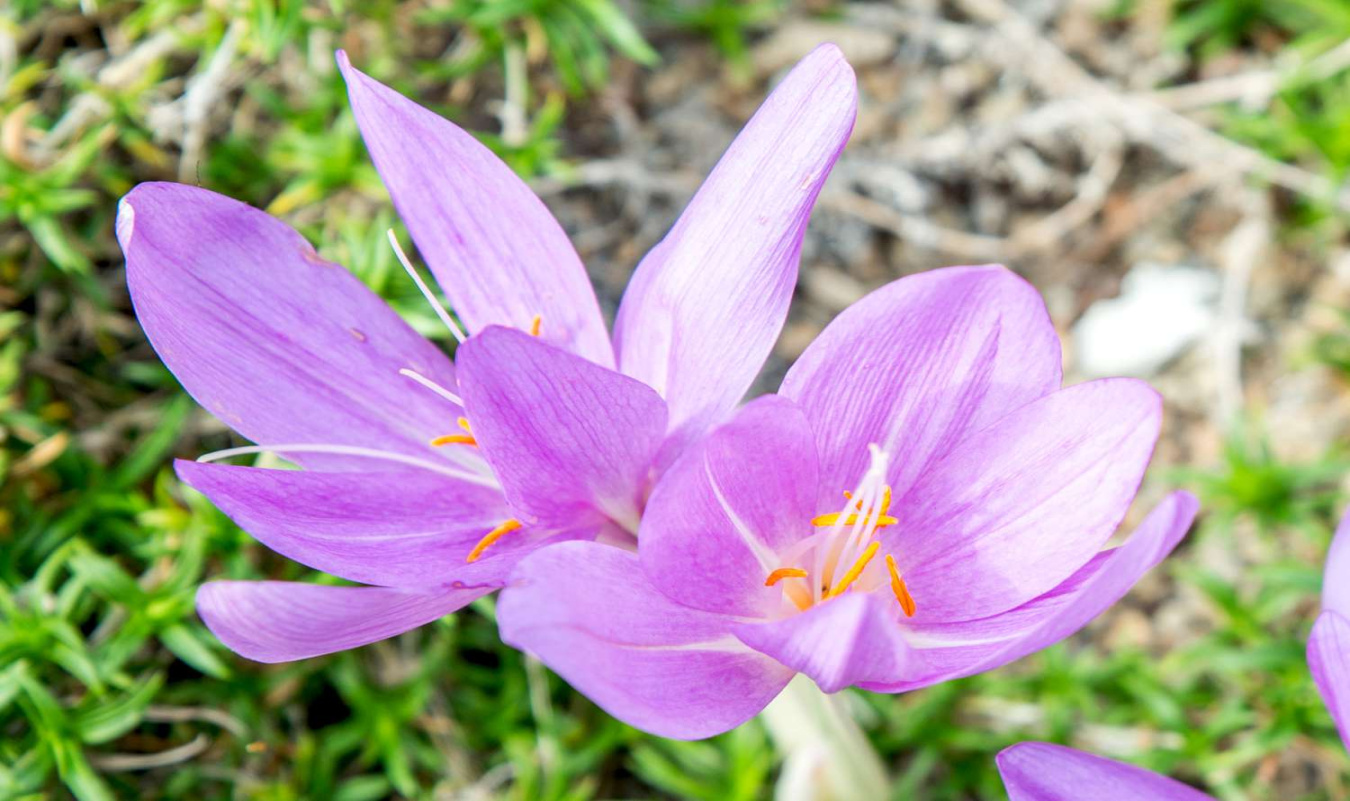
The Autumn Crocus plant is not actually a crocus at all, but rather a member of the Colchicaceae family. It is native to Europe and Asia and is known for its vibrant purple, pink, or white blooms that appear in the fall. These flowers are a welcome sight in the garden as other plants begin to fade away for the winter.
One of the most remarkable things about the Autumn Crocus plant is its ability to bloom without any foliage. Unlike traditional crocuses, which have grass-like leaves that accompany their flowers, the Autumn Crocus blooms emerge directly from the ground, creating a striking display of color against the autumn landscape.
To grow and care for the Autumn Crocus plant, there are a few key things to keep in mind. First and foremost, these flowers prefer well-drained soil and plenty of sunlight. Plant your Autumn Crocus bulbs in the early fall, about 4-6 inches deep and 4-6 inches apart. They can be planted in clusters for a more dramatic effect, or scattered throughout the garden for a more natural look.
Water your Autumn Crocus plant regularly, especially during dry spells, but be sure not to overwater as this can cause the bulbs to rot. Fertilize the plants in the spring with a balanced fertilizer to help them thrive throughout the growing season. In the late spring or early summer, the foliage will begin to die back, signaling the end of the plant’s growing cycle.
One important thing to note about the Autumn Crocus plant is that it is toxic if ingested, so be sure to keep it away from children and pets. Despite its toxicity, the Autumn Crocus is a popular choice among gardeners for its unique beauty and low maintenance requirements.
In addition to its stunning flowers, the Autumn Crocus plant has a rich history and symbolism. In ancient Greek mythology, the plant was associated with Hecate, the goddess of witchcraft and magic. The flower was believed to have magical powers and was used in various potions and rituals.
Today, the Autumn Crocus plant is often used as a symbol of rebirth and new beginnings. Its ability to bloom in the fall, when other plants are fading away, represents the cycle of life and the promise of renewal. Planting Autumn Crocus bulbs in your garden is a way to connect with nature and embrace the changing seasons.
So, as you prepare your garden for the fall season, consider adding the Autumn Crocus plant to your lineup. With its vibrant blooms, unique growing habits, and rich symbolism, this plant is sure to bring a touch of magic to your outdoor space. Embrace the fall vibes and discover the beauty of the Autumn Crocus plant today.
Blooming Beauties: Tips for Growing and Loving Autumn Crocus
As the crisp autumn air sets in and colorful leaves start to fall, it’s the perfect time to embrace the beauty of the season with the stunning Autumn Crocus plant. These blooming beauties are a sight to behold, adding a touch of elegance and charm to any garden or landscape. If you’re looking to grow and care for these lovely flowers, here are some tips to help you along the way.
Autumn Crocus, also known as Colchicum, are perennial plants that belong to the Colchicaceae family. They are not true crocuses, but they do share similar characteristics, such as their beautiful cup-shaped flowers and vibrant colors. These plants typically bloom in the fall, adding a burst of color to the garden when most other plants are starting to fade.
To grow Autumn Crocus successfully, it’s important to choose the right location for them. These plants prefer well-drained soil and a location that receives full to partial sunlight. Plant the bulbs in the late summer or early fall, about 4-6 inches deep and 6-8 inches apart. Make sure to water the bulbs well after planting to help them establish a strong root system.
One of the most important things to remember when growing Autumn Crocus is not to disturb the bulbs while they are in bloom. Unlike traditional crocuses, Autumn Crocus bloom without any foliage, so it’s essential to let the leaves grow and die back naturally after flowering. This process allows the bulbs to store up energy for the following year’s blooms.
When it comes to caring for Autumn Crocus, regular watering is key, especially during the growing season. These plants prefer moist soil, so make sure to water them consistently, but be careful not to overwater as this can cause the bulbs to rot. Fertilize the plants in the spring with a balanced fertilizer to help promote healthy growth and vibrant blooms.
Autumn Crocus are relatively low-maintenance plants, but they can be susceptible to pests and diseases. Keep an eye out for common issues such as aphids, slugs, and fungal diseases, and treat them promptly to prevent any damage to the plants. You can also apply a layer of mulch around the bulbs to help retain moisture and suppress weeds.
One of the things that make Autumn Crocus so beloved is their stunning flowers. These plants produce large, showy blooms in shades of pink, purple, white, and lavender, adding a pop of color to the fall garden. The flowers typically last for a few weeks, making them a delightful addition to any outdoor space.
In addition to their beauty, Autumn Crocus also have a rich history and symbolism. In Greek mythology, the plant is associated with Hades, the god of the underworld, and is said to have sprung from the tears of the goddess Persephone. The flowers are also considered a symbol of rebirth and renewal, making them a meaningful addition to any garden.
Whether you’re a seasoned gardener or a novice, growing and caring for Autumn Crocus is a rewarding experience. These blooming beauties add a touch of elegance and charm to the fall garden, brightening up the landscape with their vibrant colors and stunning flowers. With the right care and attention, you can enjoy these beautiful plants year after year, creating a truly magical autumn garden.