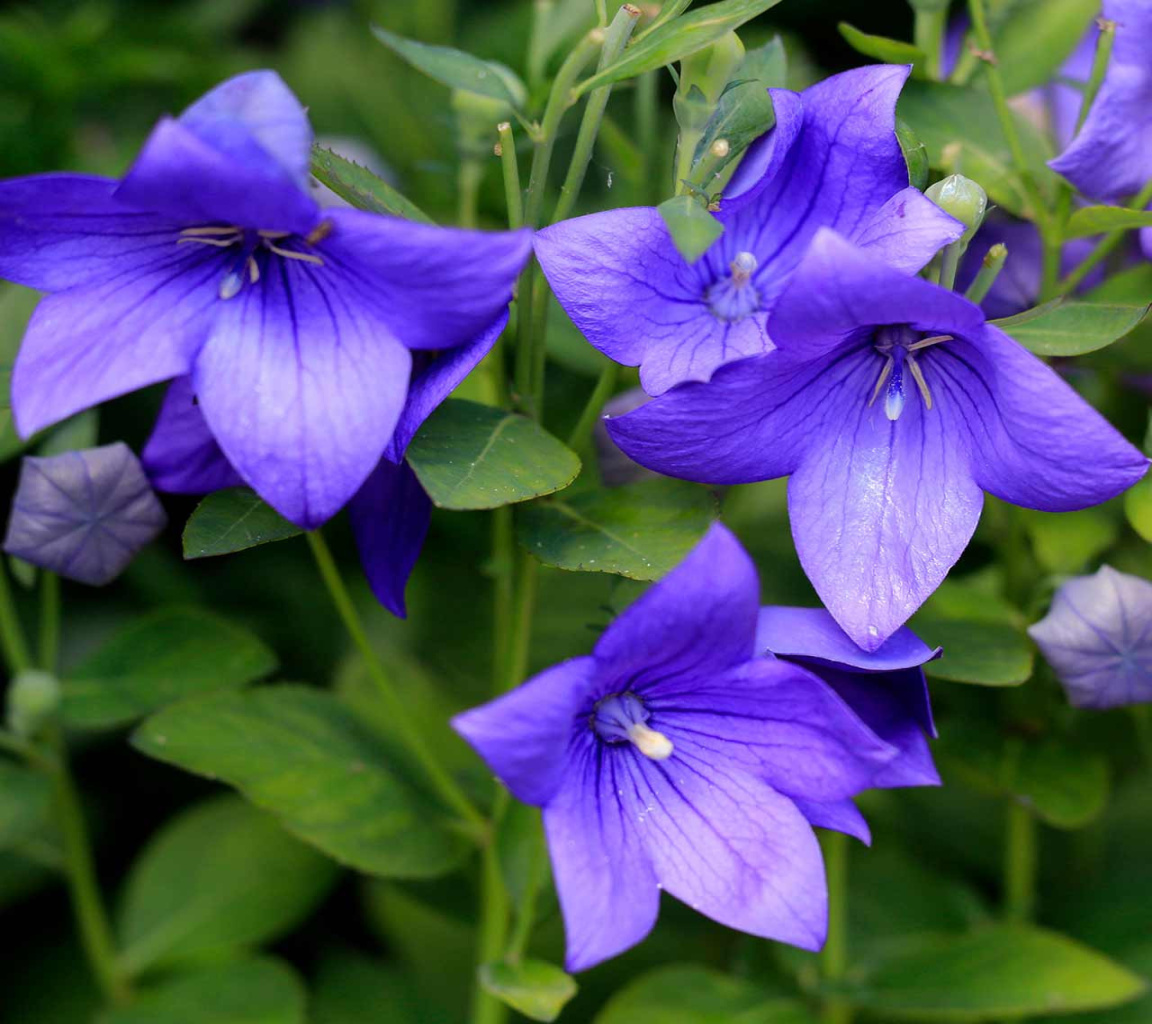
Discover the Beauty of Platycodon Grandiflorus: The Balloon Flower Plant
Unveiling the Charm of Platycodon Grandiflorus
Platycodon Grandiflorus, more commonly known as the Balloon Flower plant, is a delightful addition to any garden or landscape. With its unique balloon-like buds that burst open to reveal stunning star-shaped flowers, this plant is sure to capture the hearts of all who behold it.
The Balloon Flower plant is native to East Asia and has been cultivated for centuries for its ornamental beauty. It belongs to the Campanulaceae family and is closely related to the bellflower. Its botanical name, Platycodon, is derived from the Greek words platys meaning broad and kodon meaning bell, referring to the shape of its flower buds.
One of the most enchanting qualities of the Balloon Flower plant is its ability to change color as the flowers age. The buds start off as a pale green or purple color, resembling tiny balloons about to burst. As they open, they transform into vibrant shades of blue, pink, or white, creating a stunning display of color in the garden.
In addition to its captivating appearance, the Balloon Flower plant also has a rich history steeped in symbolism and folklore. In Korean culture, it is believed to bring good fortune and is often given as a gift to wish someone happiness and prosperity. In traditional Chinese medicine, the roots of the Balloon Flower plant are used to treat respiratory ailments and inflammation.
Growing Platycodon Grandiflorus in your garden is relatively easy, as it is a hardy perennial that thrives in well-drained soil and full sunlight. It is also drought-tolerant once established, making it a low-maintenance plant for busy gardeners. With proper care, the Balloon Flower plant can bloom from late spring to early fall, providing months of beauty and joy.
Whether planted in a flower bed, border, or container, the Balloon Flower plant adds a touch of whimsy and elegance to any outdoor space. Its compact size makes it ideal for small gardens or urban landscapes, where space may be limited. And with its ability to attract butterflies and bees, it also contributes to the health of the ecosystem.
In addition to its ornamental value, Platycodon Grandiflorus is also edible, with its young shoots and roots being used in traditional Asian cuisine. The young shoots can be stir-fried or added to salads, while the roots are often pickled or used in soups. This adds a unique culinary aspect to the plant, making it a versatile and multi-functional addition to the garden.
Overall, the Balloon Flower plant is a charming and versatile plant that brings beauty, symbolism, and flavor to any garden. Its enchanting flowers, easy care requirements, and rich cultural history make it a must-have for gardeners looking to add a touch of magic to their outdoor spaces. So why not embrace the whimsical beauty of Platycodon Grandiflorus and discover the joy it brings to your garden?
Embrace the Whimsical Beauty of Balloon Flowers
When it comes to unique and charming flowers, the Balloon Flower plant, also known as Platycodon grandiflorus, definitely stands out. With its playful balloon-shaped buds that burst open to reveal beautiful star-shaped flowers, this plant is sure to bring a touch of whimsy to any garden or floral arrangement.
The Balloon Flower plant is native to East Asia and has been cultivated for centuries for both its ornamental beauty and its medicinal properties. The plant’s botanical name, Platycodon grandiflorus, is derived from the Greek words platys meaning broad and kodon meaning bell, which perfectly describes the shape of its blossoms.
One of the most enchanting features of the Balloon Flower plant is its unique buds, which resemble little balloons before they open up. These buds come in a variety of colors, including blue, white, and pink, adding a pop of color to any garden. Once the buds open, they reveal star-shaped flowers that are truly a sight to behold.
In addition to its beauty, the Balloon Flower plant also has a rich history of medicinal use. In traditional Chinese medicine, the plant’s roots have been used to treat coughs, colds, and other respiratory ailments. The roots are believed to have anti-inflammatory and antibacterial properties, making them a valuable ingredient in herbal remedies.
Growing Balloon Flowers in your garden is relatively easy, as they are hardy perennials that thrive in well-drained soil and full sun. These plants are also drought-tolerant, making them a low-maintenance addition to any garden. With proper care, Balloon Flowers can bloom from late spring to early fall, providing a long-lasting display of their whimsical blossoms.
One fun way to incorporate Balloon Flowers into your garden is to plant them alongside other whimsical plants, such as fairy roses or butterfly bushes. The playful shapes and colors of these plants will create a magical and enchanting atmosphere that is sure to delight visitors of all ages.
If you prefer to enjoy Balloon Flowers indoors, you can cut the blooms and display them in a vase to bring a touch of whimsy to your home. These flowers also make beautiful additions to floral arrangements, adding a unique and eye-catching element to any bouquet.
Whether you choose to plant Balloon Flowers in your garden or enjoy them as cut flowers, one thing is for sure – their whimsical beauty is sure to capture your heart. So why not embrace the enchanting allure of Platycodon grandiflorus and discover the beauty of Balloon Flowers for yourself?