Embrace the Allure of the Plumeria Tree
The Plumeria tree, also known as Frangipani, is a tropical plant that captivates with its fragrant beauty. With its vibrant colors and intoxicating scent, the Plumeria tree is a must-have for any garden enthusiast looking to add a touch of exotic flair to their outdoor space.
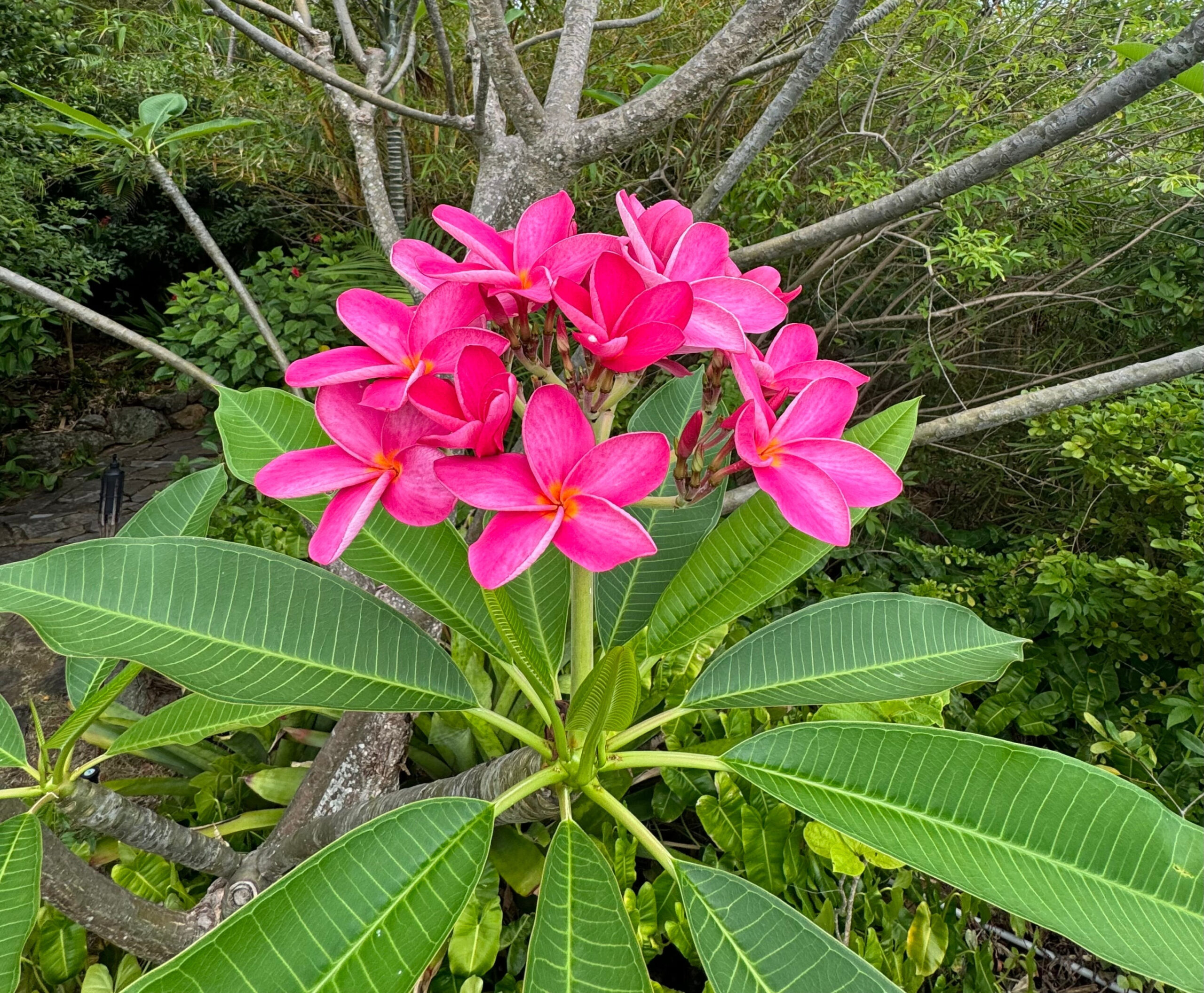
The Plumeria tree is native to tropical regions such as Central America, the Caribbean, and Southeast Asia. It is known for its stunning flowers, which come in a range of colors including white, yellow, pink, and red. The flowers have a sweet, floral scent that can perfume an entire garden, making them a favorite among gardeners and flower enthusiasts.
Growing and caring for a Plumeria tree is relatively easy, making it a popular choice for both experienced gardeners and beginners. One of the most important things to consider when planting a Plumeria tree is the location. Plumerias thrive in full sun, so be sure to plant them in a spot that receives at least 6-8 hours of sunlight per day.
In terms of soil, Plumeria trees prefer well-draining soil that is rich in organic matter. They are not picky when it comes to soil pH, but they do not like to sit in waterlogged soil. Adding a layer of mulch around the base of the tree can help retain moisture and keep the soil cool, which is important for the health of the plant.
Watering is another important aspect of caring for a Plumeria tree. While Plumerias are relatively drought-tolerant once established, they do require regular watering during the growing season. Water deeply once a week, allowing the soil to dry out slightly between waterings. During the winter months, reduce watering to prevent root rot.
Fertilizing is also key to keeping your Plumeria tree healthy and thriving. Use a balanced, water-soluble fertilizer with a high phosphorus content to promote flower production. Fertilize your Plumeria tree every 2-3 weeks during the growing season, tapering off in the fall and winter when the plant is dormant.
Pruning is another important aspect of caring for a Plumeria tree. Pruning not only helps shape the tree but also promotes healthy growth and flowering. Prune your Plumeria tree in the spring before new growth appears, removing any dead or damaged branches and shaping the tree as desired.
One of the most rewarding aspects of growing a Plumeria tree is watching it bloom. Plumeria flowers are not only beautiful but also have symbolic meanings in many cultures. In Hawaiian culture, for example, Plumeria flowers are often used in leis and symbolize positivity and new beginnings.
In addition to their beauty and fragrance, Plumeria trees also have a practical use. The flowers are often used to make leis, perfumes, and oils, adding a touch of the tropics to everyday life. Plumerias are also popular as potted plants, making them a versatile addition to any outdoor space.
In conclusion, the Plumeria tree is a stunningly beautiful and fragrant plant that is sure to add a touch of exotic allure to any garden. With proper care and attention, anyone can enjoy the beauty of these tropical beauties in their own backyard. So why not embrace the allure of the Plumeria tree and add a touch of tropical paradise to your outdoor space today?
Discover the Secrets to Growing and Caring for this Exotic Beauty
The Plumeria tree, also known as Frangipani, is a stunning and exotic plant that can bring a touch of tropical paradise to any garden or landscape. With its fragrant, colorful blooms and easy care requirements, it’s no wonder that Plumerias are a favorite among gardeners and plant enthusiasts alike. In this guide, we will explore the secrets to growing and caring for this beautiful tree so that you can enjoy its beauty in your own backyard.
One of the most important factors to consider when growing a Plumeria tree is choosing the right location. Plumerias thrive in full sun, so be sure to plant your tree in a spot that receives at least six hours of sunlight each day. Additionally, Plumerias prefer well-draining soil, so be sure to plant them in a location where water can easily drain away from the roots. If you live in a colder climate, consider planting your Plumeria tree in a container so that you can bring it indoors during the winter months.
When it comes to caring for your Plumeria tree, proper watering is essential. Plumerias prefer to be watered deeply but infrequently, so be sure to water your tree when the top inch of soil feels dry to the touch. During the growing season, fertilize your Plumeria tree with a high-phosphorus fertilizer to encourage blooming. Be sure to follow the instructions on the fertilizer package to avoid over-fertilizing, which can harm your tree.
Pruning is another important aspect of caring for your Plumeria tree. Pruning can help promote healthy growth and encourage more blooms. To prune your Plumeria tree, use sharp, clean pruning shears to remove any dead or damaged branches. You can also prune your tree to shape it or to control its size. Just be sure to prune your Plumeria tree in the spring, before it starts actively growing.
One of the most rewarding aspects of growing a Plumeria tree is watching it bloom. Plumerias produce large, colorful flowers in a variety of hues, including white, pink, yellow, and red. The flowers are highly fragrant and can fill your garden with their sweet scent. To encourage your Plumeria tree to bloom, be sure to provide it with plenty of sunlight, water, and fertilizer. With the right care, your Plumeria tree will reward you with beautiful blooms throughout the growing season.
In addition to their beauty and fragrance, Plumeria trees also have a rich cultural significance. In many tropical regions, Plumerias are used in leis and other floral arrangements to celebrate special occasions and ceremonies. In Hawaiian culture, Plumerias are often associated with love and positivity. By growing a Plumeria tree in your own garden, you can bring a touch of this tropical symbolism into your own life.
In conclusion, the Plumeria tree is a stunning and exotic plant that can bring beauty and fragrance to any garden. By following the secrets to growing and caring for this exotic beauty, you can enjoy the sight and scent of its colorful blooms in your own backyard. With the right location, watering, fertilizing, pruning, and care, your Plumeria tree will thrive and reward you with its fragrant beauty for years to come. So why not add a touch of tropical paradise to your garden with a Plumeria tree today?