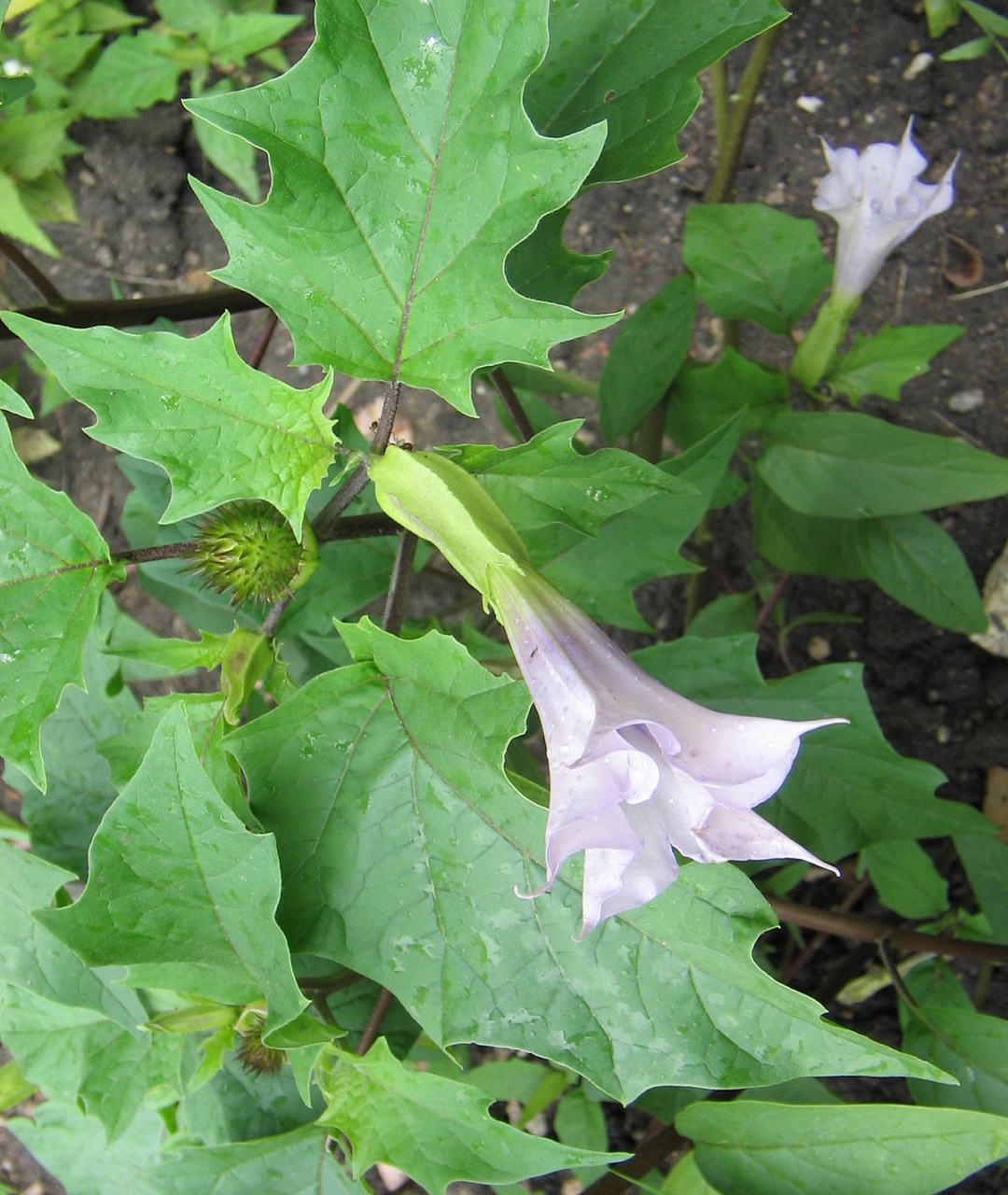
Datura, also known as Jimson Weed or Devil’s Trumpet, is a plant shrouded in mystery and intrigue. Its striking trumpet-shaped flowers and potent psychoactive properties have captured the imagination of artists, writers, and botanists for centuries. Despite its deadly reputation, Datura continues to fascinate and enchant those who dare to explore its enigmatic beauty.
The allure of Datura lies in its dual nature – both deadly and intoxicating. While the plant’s hallucinogenic properties have been used in religious ceremonies and shamanic practices, its toxic effects have also led to numerous deaths and accidents. This duality adds to the mystique of Datura, making it a symbol of both danger and temptation.
In ancient mythology, Datura was often associated with the supernatural and the divine. The plant’s hallucinogenic properties were believed to open a portal to the spiritual realm, allowing communication with gods and spirits. This mystical connection has inspired countless works of art and literature, further cementing Datura’s reputation as a plant of mystery and magic.
The deadly secrets of Datura only add to its allure. The plant’s high levels of tropane alkaloids, such as scopolamine and atropine, can cause hallucinations, delirium, and even death if consumed in large quantities. Despite these risks, Datura continues to be used in certain traditional medicines and spiritual practices around the world, reinforcing its status as a powerful and enigmatic botanical species.
One of the most famous accounts of Datura’s allure comes from the infamous case of the Salem Witch Trials. It is said that the accused witches used Datura to induce hallucinations and altered states of consciousness, leading to their confessions of witchcraft. This dark chapter in history only serves to highlight the mysterious and dangerous nature of this plant.
Despite its deadly reputation, Datura’s beauty cannot be denied. The plant’s large, trumpet-shaped flowers come in shades of white, yellow, and purple, adding a touch of exotic elegance to any garden. Its intoxicating fragrance only adds to its allure, attracting bees and other pollinators with its sweet scent.
In the world of botany, Datura continues to be a subject of fascination and study. Researchers are continually uncovering new insights into the plant’s biochemistry and medicinal properties, shedding light on its potential uses in modern medicine. From treating asthma to alleviating pain, Datura’s deadly secrets may hold the key to unlocking new treatments and therapies.
Despite its dangers, Datura remains a popular garden plant for those brave enough to cultivate it. Its striking blooms and unique fragrance make it a standout addition to any garden, adding a touch of mystery and intrigue to the landscape. For those who dare to explore its enigmatic beauty, Datura is sure to captivate and enchant with its deadly allure.
Unveiling the Deadly Secrets of Datura: The Enigmatic and Deadly Beauty
Datura, also known as the devil’s trumpet or moonflower, is a plant shrouded in mystery and danger. Its alluring beauty belies its deadly secrets, making it a fascinating subject for botanists, herbalists, and thrill-seekers alike. In this article, we will explore the enigmatic nature of Datura and uncover the hidden dangers that lurk beneath its delicate petals.
One of the most striking features of Datura is its beautiful, trumpet-shaped flowers. These flowers can range in color from white to purple, and emit a sweet, intoxicating fragrance that lures in unsuspecting victims. However, despite its beauty, Datura is not to be trifled with. The plant contains potent alkaloids, such as atropine, scopolamine, and hyoscyamine, that can cause a range of dangerous symptoms if ingested.
Ingesting even a small amount of Datura can lead to hallucinations, delirium, and in severe cases, death. The plant has a long history of use in various cultures for its psychoactive effects, but its dangers are well-documented. Despite this, some still seek out Datura for its mind-altering properties, risking life and limb for a fleeting glimpse of the otherworldly realms it can unlock.
The allure of Datura lies in its dual nature – a deadly beauty that captivates and repels in equal measure. Its intoxicating fragrance draws in unsuspecting prey, while its toxic properties serve as a warning to those who dare to delve too deeply into its mysteries. It is a plant of contradictions, a siren song that beckons the curious and the foolish alike.
The dangers of Datura extend beyond its psychoactive effects. The plant is also known to cause a range of physical symptoms, including dry mouth, blurred vision, rapid heart rate, and difficulty breathing. Ingesting Datura can lead to a state of delirium where the lines between reality and fantasy blur, making it a perilous journey for those who dare to take the plunge.
Despite its dangers, Datura continues to fascinate and intrigue those who seek to unlock its secrets. The plant has been used in rituals, ceremonies, and as a tool for divination for centuries, its potent effects believed to open the mind to higher realms of consciousness. However, the risks of using Datura are high, and caution must be exercised when dealing with this enigmatic and deadly beauty.
In conclusion, Datura is a plant that captivates the imagination with its beauty and danger. Its alluring flowers and intoxicating fragrance hide a deadly secret that can lead to hallucinations, delirium, and even death. Despite its risks, some still seek out Datura for its mind-altering effects, drawn in by the promise of unlocking hidden realms of consciousness. But caution is advised when dealing with this enigmatic and deadly beauty, as the consequences of underestimating its power can be dire.