Blooming Wonders: Unveiling the Allure of the Jasmine Tree
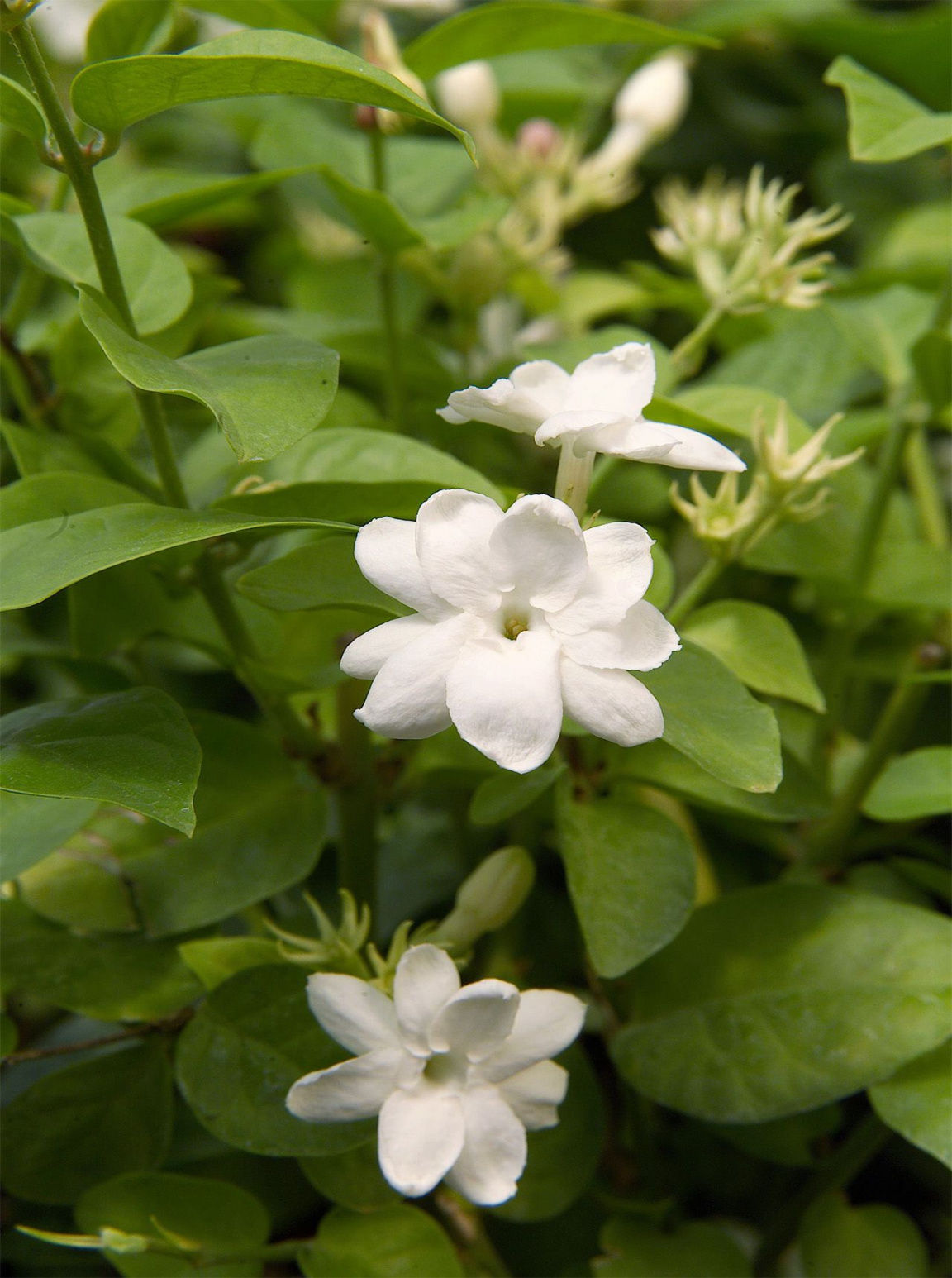
The Jasmine tree, with its delicate white flowers and intoxicating fragrance, is truly a blooming wonder that captivates the senses. This exotic plant has been cherished for centuries for its beauty and aromatic properties, making it a popular choice for gardens and indoor spaces alike. In this guide, we will explore the enchanting world of the Jasmine tree, and provide tips on how to grow and care for this stunning plant.
The Jasmine tree, also known as Jasminum, belongs to the olive family and is native to tropical and subtropical regions. It is prized for its glossy green leaves and clusters of fragrant white flowers that bloom throughout the year. The sweet, floral scent of Jasmine is often used in perfumes, teas, and essential oils, making it a beloved fragrance around the world.
To grow a Jasmine tree, it is important to provide the plant with the right conditions. Jasmine thrives in bright, indirect sunlight and well-draining soil. It is recommended to plant Jasmine in a pot with drainage holes to prevent waterlogging, as this can cause root rot. Regular watering is essential, especially during the growing season, but be sure not to overwater as this can also harm the plant.
In terms of temperature, Jasmine prefers warm climates and will not tolerate frost. If you live in a colder region, it is best to grow Jasmine indoors or in a greenhouse where you can control the temperature. During the winter months, it is important to protect your Jasmine tree from drafts and cold temperatures to ensure its continued growth and blooming.
When it comes to fertilizing Jasmine, a balanced liquid fertilizer can be applied once a month during the growing season to promote healthy growth and flowering. Pruning is also important for Jasmine trees, as it helps to shape the plant and encourage new growth. Prune Jasmine after flowering to remove dead or overgrown branches, and trim back any unruly growth to maintain a tidy appearance.
One of the most enchanting aspects of the Jasmine tree is its fragrant blooms. The sweet scent of Jasmine flowers can fill a room or garden with a delightful aroma that is both calming and uplifting. To enjoy the full fragrance of your Jasmine tree, place it in a sunny spot where the flowers can bask in the sunlight and release their scent into the air.
In addition to its beauty and fragrance, the Jasmine tree is also known for its symbolic significance. In many cultures, Jasmine is associated with love, romance, and purity. It is often used in weddings and religious ceremonies as a symbol of purity and devotion. Jasmine is also believed to have healing properties, and is used in traditional medicine to treat a variety of ailments.
Growing and caring for a Jasmine tree can be a rewarding experience that brings beauty and fragrance into your home or garden. With the right care and attention, your Jasmine tree will thrive and bloom, filling your surroundings with its enchanting scent and timeless beauty. So why not add a touch of exotic allure to your space with a Jasmine tree today?
Captivating Aromas: Tips for Nurturing Your Jasmine Plant
The Jasmine tree is a plant that captivates the senses with its fragrant blooms and elegant beauty. Known for its intoxicating scent, this exotic plant can bring a touch of luxury to any garden or indoor space. To ensure your Jasmine plant thrives and continues to fill the air with its captivating aromas, it is essential to provide the proper care and attention.
One of the most important factors in nurturing a Jasmine plant is ensuring it receives adequate sunlight. Jasmine plants thrive in bright, indirect sunlight, so be sure to place your plant in a location where it will receive plenty of light throughout the day. If you are growing your Jasmine plant indoors, consider placing it near a south-facing window to ensure it gets the light it needs to flourish.
In addition to sunlight, Jasmine plants also require regular watering to stay healthy and vibrant. It is important to keep the soil consistently moist, but not waterlogged, as Jasmine plants do not like to sit in water. Water your Jasmine plant when the top inch of soil feels dry to the touch, and be sure to drain any excess water from the saucer to prevent root rot.
Feeding your Jasmine plant with a balanced fertilizer during the growing season can also help promote healthy growth and abundant blooms. Look for a fertilizer specifically formulated for flowering plants and follow the instructions on the package for best results. Be sure not to over-fertilize your Jasmine plant, as this can lead to nutrient imbalances and damage to the plant.
Pruning is another important aspect of caring for your Jasmine plant, as it helps to promote new growth and keep the plant looking tidy and well-maintained. Prune your Jasmine plant in the spring to remove any dead or overgrown branches, and shape the plant as desired. Be sure to use sharp, clean pruning shears to prevent damage to the plant and promote healing.
One of the most rewarding aspects of growing a Jasmine plant is the opportunity to enjoy its beautiful, fragrant blooms. Jasmine plants typically flower in the spring and summer, filling the air with their sweet, floral scent. To encourage your Jasmine plant to bloom, be sure to provide it with the proper care and attention it needs to thrive.
Overall, caring for a Jasmine plant can be a rewarding and fulfilling experience. By providing your plant with the proper sunlight, water, nutrients, and pruning, you can ensure that it thrives and continues to fill your space with its captivating aromas. With a little bit of love and attention, your Jasmine plant will reward you with its fragrant beauty for years to come.