Dive into the World of Donkey Tail Plants!
Welcome to the wonderful world of donkey tail plants! These unique succulents are a favorite among plant enthusiasts for their trailing, rope-like stems and delicate, bead-like leaves. In this article, we will explore everything you need to know about growing and caring for donkey tail plants.
Donkey tail plants, also known as Sedum morganianum, are native to Mexico and are part of the Crassulaceae family. They are often grown as houseplants, but can also thrive outdoors in warmer climates. These plants are easy to care for and can add a touch of whimsy to any indoor or outdoor space.
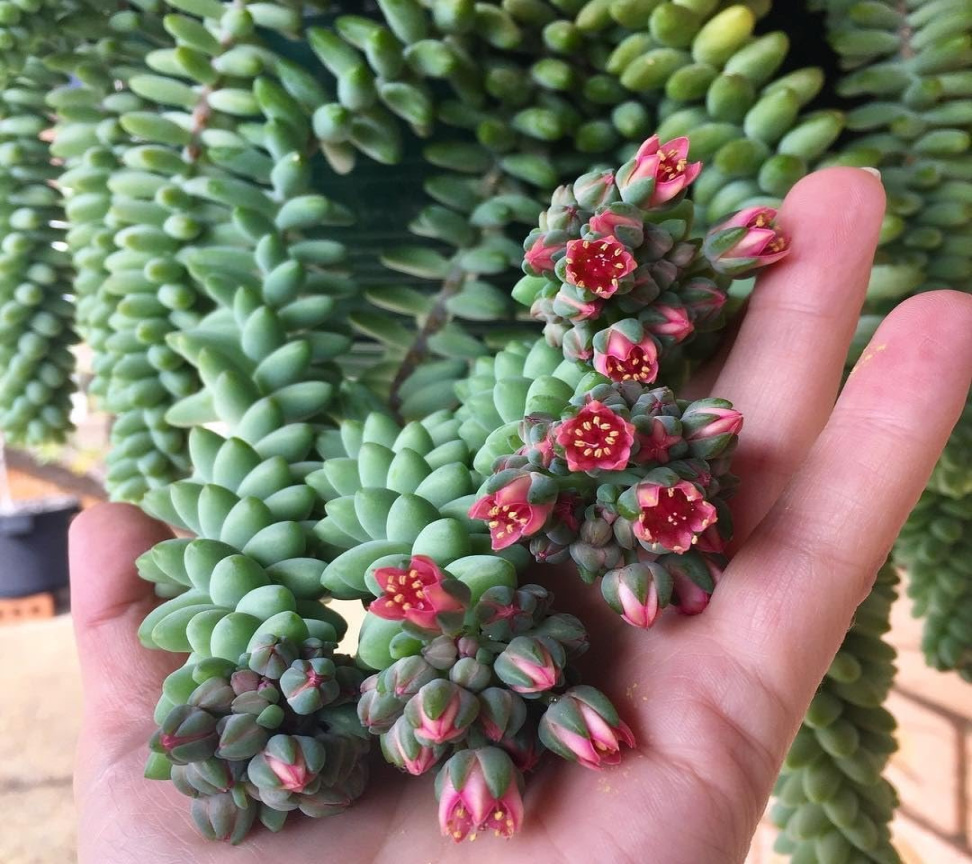
One of the most distinctive features of donkey tail plants is their trailing stems, which can grow up to three feet long. These stems are covered in small, fleshy leaves that resemble beads or grapes, giving the plant its unique appearance. Donkey tail plants are also known for their vibrant green color, which can vary depending on the amount of sunlight they receive.
When it comes to caring for donkey tail plants, there are a few key things to keep in mind. These plants thrive in bright, indirect sunlight, so be sure to place them near a sunny window or in a location with plenty of natural light. It’s also important to water donkey tail plants sparingly, as they are drought-tolerant and can be prone to root rot if overwatered.
In terms of soil, donkey tail plants prefer well-draining soil that is a mix of potting soil and perlite or sand. This will help prevent water from pooling around the roots and ensure that the plant stays healthy and happy. Additionally, donkey tail plants benefit from occasional fertilization during the growing season to help promote healthy growth and vibrant color.
Propagation is another fun aspect of caring for donkey tail plants. These plants can be easily propagated from stem cuttings, which can be rooted in water or directly in soil. Once the cuttings have developed roots, they can be planted in their own pots and grown into new donkey tail plants.
In terms of pests, donkey tail plants are relatively resistant to common houseplant pests. However, they can occasionally attract mealybugs or aphids, so be sure to keep an eye out for any signs of infestation and treat them promptly if necessary.
Overall, growing and caring for donkey tail plants is a rewarding experience that is sure to bring joy and beauty to your home or garden. Whether you’re a seasoned plant enthusiast or a beginner looking to expand your collection, donkey tail plants are a wonderful choice that is sure to delight and inspire. So why wait? Dive into the world of donkey tail plants today and watch as these beauties thrive and grow before your eyes!
Master the Art of Caring for These Beauties!
Welcome to the wonderful world of donkey tail plants! These beautiful succulents are a popular choice for plant lovers due to their unique appearance and easy-care nature. If you’re looking to add a touch of greenery to your home or garden, donkey tail plants are the perfect choice.
Caring for donkey tail plants is relatively easy, but there are a few key things to keep in mind to ensure they thrive and grow to their full potential. In this guide, we will explore everything you need to know about growing and caring for donkey tail plants.
First and foremost, donkey tail plants require plenty of sunlight to grow and thrive. These succulents are native to regions with high levels of sunlight, so it’s important to place them in a location where they will receive at least 6-8 hours of bright, indirect sunlight each day. A sunny windowsill or a spot in your garden that gets plenty of sun are ideal locations for your donkey tail plant.
In addition to sunlight, donkey tail plants also require well-draining soil to prevent root rot. A good quality cactus or succulent potting mix is perfect for these plants, as it will allow excess water to drain away quickly, preventing waterlogged soil. When watering your donkey tail plant, be sure to water thoroughly but allow the soil to dry out completely between waterings.
One of the key things to keep in mind when caring for donkey tail plants is to avoid overwatering. These succulents are drought-tolerant and prefer to be on the dry side, so it’s important not to water them too frequently. Overwatering can lead to root rot and other issues, so it’s best to err on the side of underwatering rather than overwatering.
During the growing season, which typically runs from spring to fall, you can fertilize your donkey tail plant with a balanced fertilizer diluted to half strength. Fertilizing once a month will provide your plant with the nutrients it needs to grow and thrive. However, be sure to avoid fertilizing during the winter months when the plant is dormant.
Donkey tail plants are relatively low-maintenance, but they do require some grooming to keep them looking their best. As the plant grows, the stems may become leggy and lose their shape. To encourage a fuller, more compact growth habit, you can prune the stems back using clean, sharp scissors. This will also help to prevent the plant from becoming too top-heavy and falling over.
Propagation is another fun aspect of caring for donkey tail plants. These succulents are easily propagated from stem cuttings, which can be rooted in soil or water. Simply cut a stem from the plant, allow it to callus over for a few days, then plant it in soil or place it in water until roots develop. Before you know it, you’ll have a whole new donkey tail plant to enjoy!
In conclusion, donkey tail plants are a beautiful and low-maintenance addition to any home or garden. With the right care and attention to their needs, these succulents will reward you with their unique beauty and striking appearance. So why not dive into the world of donkey tail plants and master the art of caring for these beauties? Your home and garden will thank you for it!