Unveiling the Enchanting Lathyrus Odoratus
In the world of gardening, there are few plants as enchanting as the Lathyrus Odoratus, commonly known as the sweet pea. This delicate and fragrant flower has captured the hearts of gardeners and flower enthusiasts for centuries, and it’s easy to see why. With its vibrant colors, sweet scent, and graceful tendrils, the Lathyrus Odoratus is truly a garden gem worth discovering.
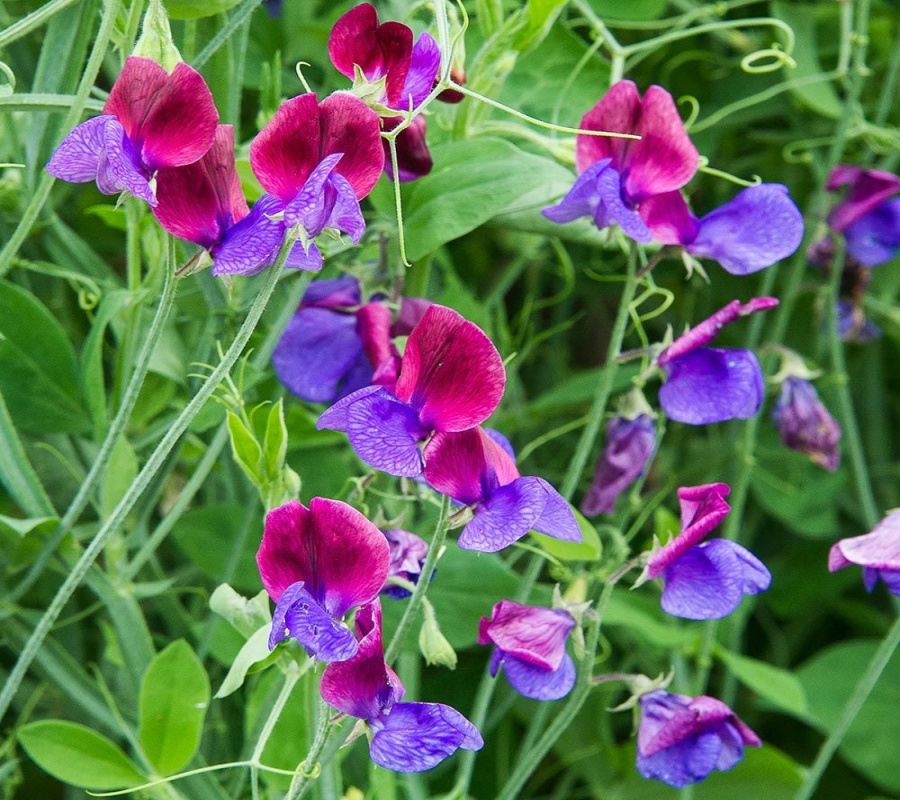
The Lathyrus Odoratus is a member of the Fabaceae family, and it is native to Sicily, Cyprus, and southern Italy. It is a climbing plant, known for its tendrils that allow it to twine around fences, trellises, and other plants for support. The flowers of the Lathyrus Odoratus come in a wide range of colors, including purple, pink, blue, white, and red, and they can be solid or bi-colored. Each flower consists of five petals, with a distinctive keel that gives the flower its unique shape.
One of the most alluring qualities of the Lathyrus Odoratus is its sweet scent. The flowers produce a delicate fragrance that is often compared to the scent of orange blossoms or honey, making them a popular choice for bouquets and flower arrangements. The fragrance of the sweet pea is said to have a calming effect on the mind and body, making it a perfect addition to any garden or outdoor space.
In addition to their beauty and scent, Lathyrus Odoratus flowers are also known for their symbolism. In the language of flowers, sweet peas are often associated with blissful pleasure, delicate pleasure, and departure, making them a meaningful gift for special occasions such as weddings, birthdays, or anniversaries. The sweet pea is also the birth flower for the month of April, symbolizing gratitude and appreciation.
When it comes to growing Lathyrus Odoratus, there are a few key things to keep in mind. These flowers thrive in cool climates with plenty of sunlight, but they can also tolerate some shade. They prefer well-drained soil that is rich in organic matter, and they should be watered regularly to keep the soil moist but not waterlogged. To promote healthy growth and blooming, it’s important to provide support for the vines to climb and to deadhead the flowers regularly.
The Lathyrus Odoratus is a versatile plant that can be grown in a variety of settings, from gardens and borders to containers and hanging baskets. They can also be grown indoors, provided they are given enough sunlight and space to climb. Whether you’re a seasoned gardener or a beginner, the sweet pea is a great choice for adding color, fragrance, and beauty to your outdoor space.
In conclusion, the Lathyrus Odoratus is a true garden gem that deserves to be celebrated and enjoyed. Its enchanting beauty, sweet scent, and symbolic meaning make it a popular choice for gardens, bouquets, and special occasions. Whether you’re looking to brighten up your garden or simply enjoy the beauty of nature, the sweet pea is sure to bring joy and delight to your life. So why not plant some Lathyrus Odoratus seeds today and discover the beauty of this sweet-scented garden gem for yourself?
Dive into the Sweet-Scented World of Garden Gems
As we step into the enchanting world of gardening, one cannot help but be captivated by the beauty and fragrance of the sweet-scented garden gems such as the Lathyrus Odoratus. Also known as sweet pea, this delicate and charming flower has been a favorite among gardeners for centuries, and it is not hard to see why.
Lathyrus Odoratus is a member of the pea family, Fabaceae, and is native to the Mediterranean region. The plant is a climbing vine that can reach heights of up to six feet, with delicate tendrils that allow it to twine and climb effortlessly. Its leaves are composed of two oval-shaped leaflets, giving it a graceful and airy appearance.
One of the most striking features of the sweet pea is its flowers, which come in a wide range of colors including pink, purple, white, and red. The blooms are typically small and delicate, with a distinct shape that resembles a butterfly in flight. The petals are often ruffled and have a subtle fragrance that has been described as sweet and intoxicating.
In addition to its beauty, the sweet pea is also valued for its versatility in the garden. It can be grown in containers, hanging baskets, or as a border plant, making it a perfect choice for gardeners with limited space. The plant thrives in full sun and well-drained soil, and with the right care, it will reward you with a profusion of blooms throughout the growing season.
One of the key elements to successfully growing sweet peas is to provide them with support for their climbing habit. This can be achieved by installing trellises, arbors, or fences for the vines to cling to. Additionally, regular deadheading of spent blooms will encourage the plant to produce more flowers, prolonging the blooming period.
The fragrance of the sweet pea is another reason why it is so beloved by gardeners. The scent is often described as a combination of honey and orange blossom, with hints of vanilla and spice. The fragrance is most potent in the early morning or evening, making it a delightful addition to any garden or bouquet.
In Victorian times, sweet peas were highly prized for their fragrance and were often used in posies and bouquets to add a touch of elegance and romance. Today, they are still a popular choice for cut flower arrangements, adding a touch of nostalgia and charm to any floral display.
For those looking to attract pollinators to their garden, sweet peas are an excellent choice. The flowers are rich in nectar, attracting bees, butterflies, and other beneficial insects. This not only helps to pollinate the flowers but also supports the overall health of the garden ecosystem.
In conclusion, the sweet-scented garden gem that is Lathyrus Odoratus is a true delight for the senses. From its beautiful blooms to its intoxicating fragrance, this charming plant has a lot to offer to both novice and experienced gardeners alike. So why not dive into the sweet-scented world of garden gems and discover the beauty of the sweet pea for yourself?